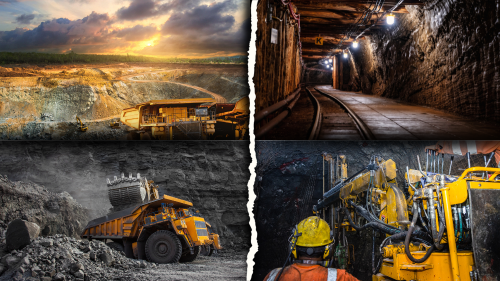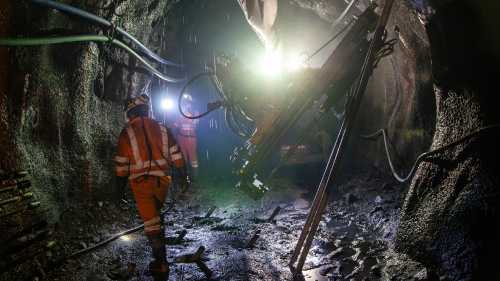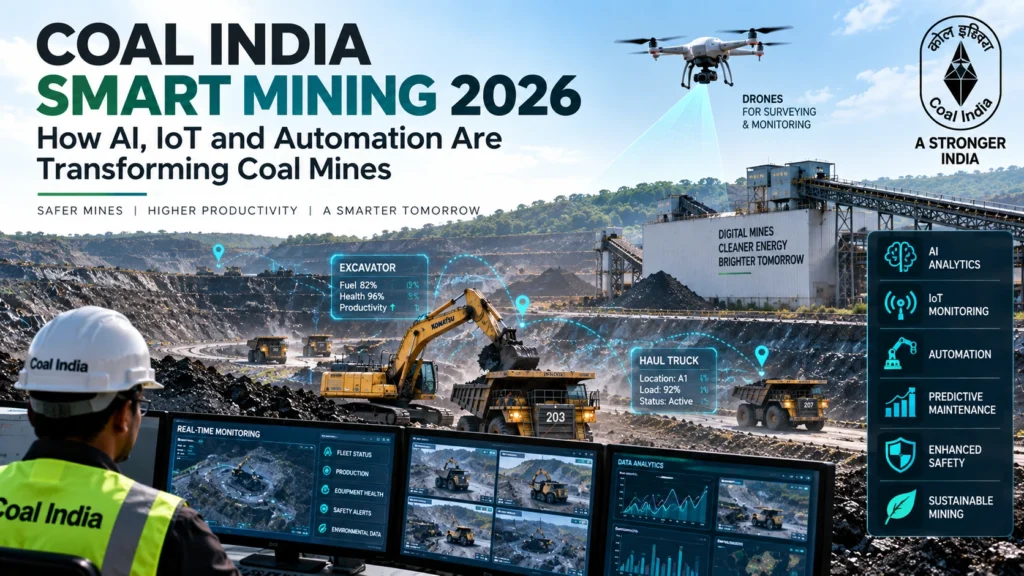
Coal India Limited is accelerating its transition from conventional mining methods toward technology-driven smart mining operations.
The company is increasingly using Artificial Intelligence, Internet of Things, data analytics, automation, drones, advanced surveying and digital monitoring across exploration, open-cast mining, underground operations and coal evacuation.
The transformation is aimed at improving productivity while reducing worker exposure to hazardous environments.
For India’s mining industry, the development represents a broader shift toward Mining 4.0, where digital systems and automated equipment increasingly support traditional mining engineering.
What Is Smart Mining?
Smart mining refers to the use of digital technologies to monitor, control and optimise mining operations.
Traditional mines depend heavily on manual decision-making and physical inspections.
Smart mines use connected systems to collect operational data and analyse it in real time.
These technologies can help monitor:
- Mining equipment
- Production
- Geological conditions
- Coal quality
- Fuel consumption
- Worker safety
- Maintenance requirements
- Coal dispatch
The objective is to make mining operations more data-driven.
Coal India Is Modernising Exploration
One of the most important areas of technology transformation is mineral exploration.
Coal India is using advanced seismic survey methods alongside conventional drilling.
Two-dimensional and three-dimensional seismic surveys can help identify geological structures before extensive drilling is carried out.
According to the Ministry of Coal, these technologies can reduce the requirement for exploration boreholes by up to 50% in suitable applications.
This can make exploration more efficient and improve geological understanding.
Artificial Intelligence in Geological Interpretation
AI and machine-learning techniques are increasingly being applied to geological data.
Different types of well-log information can be analysed to identify coal seams and geological patterns.
Machine-learning techniques can include:
- Support Vector Machines
- Decision Trees
- Random Forest
- Multilayer Perceptrons
- XGBoost
These tools can help interpret large quantities of geological information.
However, AI does not replace geologists.
The final interpretation still requires geological expertise and field verification.
Smart Mining in Open-Cast Mines
Open-cast mines are particularly suitable for large-scale automation because they use high-capacity equipment.
Modern coal mines can use:
- Large electric shovels
- Hydraulic excavators
- Heavy dump trucks
- Draglines
- Surface miners
- Automated drilling systems
Digital monitoring can track equipment performance and production cycles.
The resulting data can help mine managers identify delays and improve equipment utilisation.
Predictive Maintenance
One of the biggest advantages of smart mining is predictive maintenance.
Traditional maintenance can follow fixed schedules.
For example, a machine might be inspected after a specific number of operating hours.
Predictive maintenance instead uses machine data to identify signs of possible failure.
Sensors can monitor:
- Temperature
- Vibration
- Pressure
- Engine performance
- Electrical parameters
- Hydraulic conditions
If abnormal patterns are detected, maintenance can be scheduled before a major breakdown occurs.
Why Predictive Maintenance Matters
Mining equipment is extremely expensive.
A breakdown of a large shovel or haul truck can reduce production and disrupt the entire mining cycle.
Suppose one excavator is responsible for loading hundreds of truck cycles every shift.
If the excavator suddenly stops operating, truck utilisation may also fall.
Predictive maintenance can reduce this risk by identifying potential failures earlier.
Coal India and First Mile Connectivity
Coal India is also developing large-scale First Mile Connectivity projects.
These systems are designed to mechanise coal transportation from mines to dispatch points.
The programme involves infrastructure such as:
- Conveyors
- Silos
- Rapid loading systems
- Coal handling plants
- Automated systems
The Ministry of Coal has reported that a substantial number of planned First Mile Connectivity projects have already been commissioned.
The broader programme is designed to significantly increase mechanical coal-loading capacity by FY 2029-30.
Why Mechanised Coal Loading Matters
Manual or truck-based coal movement can create bottlenecks.
Mechanised systems can move large volumes of coal continuously.
A conveyor can operate at a relatively stable rate rather than depending on individual truck cycles.
Rapid loading systems can also reduce train-loading time.
This improves the efficiency of the entire mine-to-market supply chain.
DigiCoal and Digital Mine Management
Coal India has also been testing digital solutions through its DigiCoal initiative.
The programme has evaluated multiple technology solutions across selected mines.
These solutions can address areas such as:
- Mine monitoring
- Productivity
- Safety
- Equipment management
- Data analysis
- Environmental monitoring
Successful solutions can then be considered for wider deployment across large mines.
Smart Control Rooms
A modern smart mine increasingly depends on centralised control rooms.
Operators can monitor multiple systems from a single location.
A control room may display:
- Equipment location
- Production status
- Fuel consumption
- Conveyor performance
- Safety alerts
- Weather conditions
- Coal dispatch
- Maintenance indicators
This gives management a broader real-time picture of the mine.
Drones in Mining
Drones are another important technology in modern mining.
They can be used for:
- Topographic surveys
- Stockpile measurement
- Mine-progress monitoring
- Overburden assessment
- Road inspection
- Environmental surveys
A drone can collect aerial information much faster than traditional ground surveying in some applications.
The data can then be converted into digital terrain models and used for mine planning.
Underground Mining Technology
Smart mining is not limited to open-cast operations.
Coal India is also focusing on modern underground technologies.
These can include:
- Continuous miners
- Longwall mining
- Highwall mining
- Advanced monitoring systems
- Remote equipment operation
Underground automation can reduce worker exposure to hazardous areas while improving productivity.
The Ministry of Coal has indicated that Coal India is targeting substantial growth in underground coal production through modern technologies.
Electronic Detonators and Safer Blasting
Technology is also changing blasting practices.
Electronic detonators provide greater control over blasting sequences compared with conventional systems.
Improved blast control can help with:
- Fragmentation
- Ground vibration
- Dust
- Noise
- Safety
Reducing unnecessary vibration and improving fragmentation can also make subsequent excavation and material handling more efficient.
Environmental Benefits of Smart Mining
Technology can support environmental management as well.
Digital systems can monitor:
- Dust levels
- Water quality
- Mine-water movement
- Land reclamation
- Equipment emissions
- Energy consumption
Better data allows environmental teams to identify changes earlier.
Technology therefore supports both productivity and environmental monitoring.
Research and Development Investment
Coal India has also outlined plans to increase research and development investment.
The company plans significant R&D spending through the National Centre for Coal and Energy Research and Centres of Excellence associated with academic institutions.
The objective is to develop technologies suited to India’s mining conditions.
Research areas can include:
- Advanced mining methods
- Automation
- Coal utilisation
- Environmental technologies
- Mine safety
- Energy efficiency
Skills Required for Smart Mining
The technology transformation is changing the skills required by mining professionals.
Future mining engineers may need knowledge of:
- Mine planning software
- GIS
- Data analytics
- AI
- Automation
- Robotics
- IoT
- Remote sensing
- Digital twins
- Equipment management
Traditional mining engineering remains essential, but digital skills are becoming increasingly valuable.
What Does Smart Mining Mean for Mining Students?
For mining engineering students, the transition toward smart mines creates a new learning opportunity.
Students can combine traditional subjects such as:
- Mine ventilation
- Rock mechanics
- Mine planning
- Mine surveying
- Mining machinery
with modern technologies such as:
- Python
- Data analysis
- GIS
- Machine learning
- Automation
This combination can help prepare students for increasingly digital mining operations.
Future of Coal India Smart Mining
Coal India is moving toward a mining model where physical equipment and digital systems operate together.
The future mine could increasingly involve:
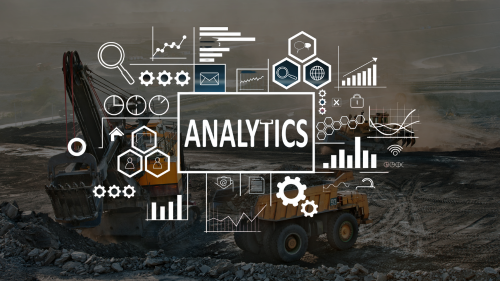
AI + IoT + Automation + Drones + Advanced Equipment + Real-Time Analytics
The goal is not simply to make mines more automated.
The larger objective is to create mining operations that are safer, more productive, easier to monitor and more efficient.
Conclusion
The Coal India Smart Mining 2026 transformation shows how technology is changing India’s largest coal producer.
AI, IoT, machine learning, seismic surveys, drones, predictive maintenance, digital control rooms and mechanised coal evacuation are increasingly becoming part of modern mining operations.
The transformation also creates new opportunities for mining engineers and technology professionals.
Mining will continue to require strong geological and engineering expertise, but future operations are likely to depend increasingly on digital skills as well.
For India’s mining industry, smart mining is becoming an important bridge between traditional resource extraction and the technology-driven mines of the future.