
Lode in Mining is one of the most important and widely used concepts in economic geology and mining engineering, and understanding it clearly is essential for every mining student, geologist, and mine professional.
From gold rush history to modern hard rock mining operations, the concept of Lode in Mining has played a central role in shaping how valuable mineral deposits are located, defined, and extracted from the Earth’s crust.
In this complete guide by MiningGyan, we cover everything about Lode in Mining – from its basic definition and geological formation to its types, characteristics, difference with placer deposits, Mother Lode concept, Hard Rock Lode Mining methods, and competitive exam MCQs.
Whether you are a mining engineering student preparing for an exam or a professional who wants a clear technical reference, this guide on Lode in Mining is written to give you everything you need in one structured and detailed article.
What is Lode in Mining?
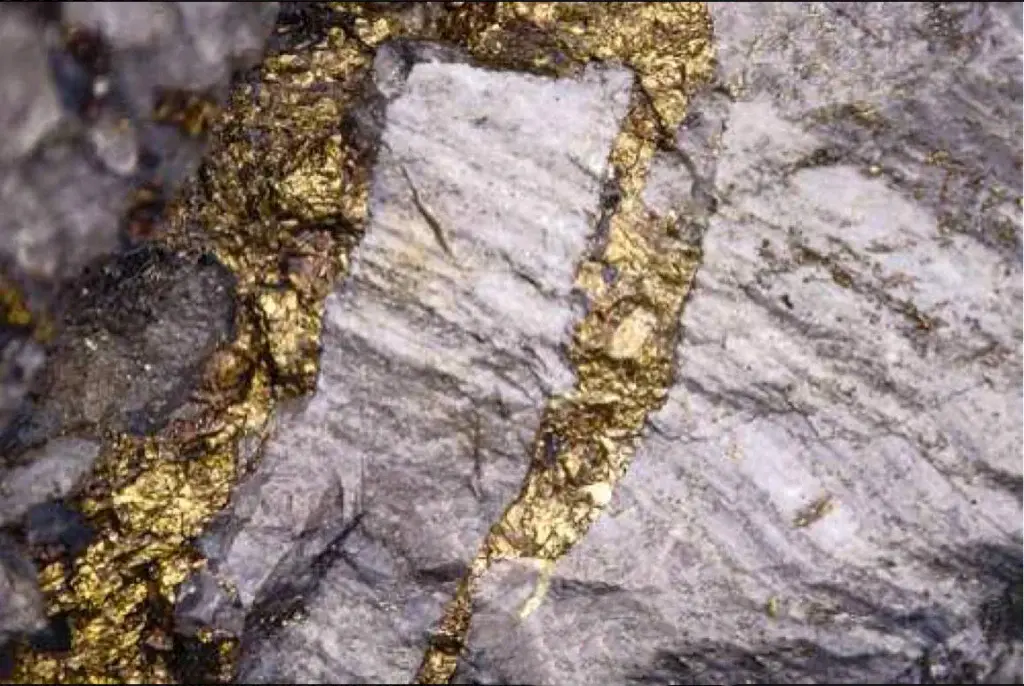
A Lode in Mining is a deposit of metalliferous ore that fills or is embedded within a fracture, crack, or series of fissures in a rock formation – it is essentially a vein or concentrated body of valuable mineral that occurs in solid rock in its original position of formation.
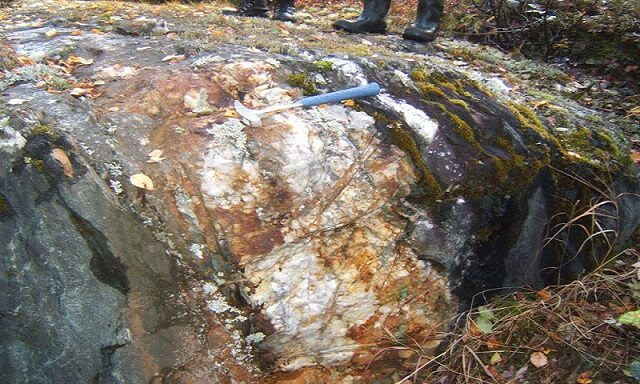
The Lode in Mining is always found in place within the bedrock and has not been transported or displaced from its original geological setting – this is what fundamentally distinguishes it from a placer deposit where minerals have been eroded and carried away by water or wind.
| Key Term | Definition |
|---|---|
| Lode in Mining | In-place deposit of metalliferous ore within fractures or veins in solid bedrock |
| Vein | A thin sheet-like body of minerals filling a fracture in the host rock |
| Lode Deposit | The complete ore body formed by one or more mineralised lodes in a rock mass |
| Mother Lode | The primary and richest lode from which smaller secondary lodes originate |
| Stringer Lode | A lode formed by a network of small interconnected veinlets permeating the host rock |
| Hard Rock Mining | The process of extracting ore directly from a solid rock lode using drilling and blasting |
| Lode Claim | A legal mining claim filed over a lode deposit granting the right to extract minerals from it |
Lode in Mining – Origin and History of the Term
The word “Lode” in Mining has its roots in the Old English word “lad” meaning a way or course – it was originally used to describe a watercourse or channel, and by extension came to describe any well-defined course or vein of ore running through solid rock.
The term became widely established in mining vocabulary during the medieval European mining era when miners began systematically following mineralised fractures deep into the Earth to extract silver, lead, copper, and gold from their primary in-place deposits.
| Era | Development of Lode Mining | Key Region |
|---|---|---|
| Medieval Period (1200–1500) | European miners first systematically follow mineral lodes underground | Germany, England, Spain |
| Colonial Era (1600–1800) | Lode mining spreads to Americas and Africa following gold and silver discoveries | Mexico, Peru, South Africa |
| Gold Rush Era (1848–1900) | Lode mining becomes industrialised after California and Australian gold rushes | California USA, Victoria Australia |
| Modern Era (1900–Present) | Mechanised hard rock lode mining dominates global gold and base metal production | Worldwide including India |
Lode in Mining – Formation Process
Understanding how a Lode in Mining forms is critical for geologists who are searching for new deposits and for engineers who need to predict the geometry and continuity of the ore body they are developing underground.
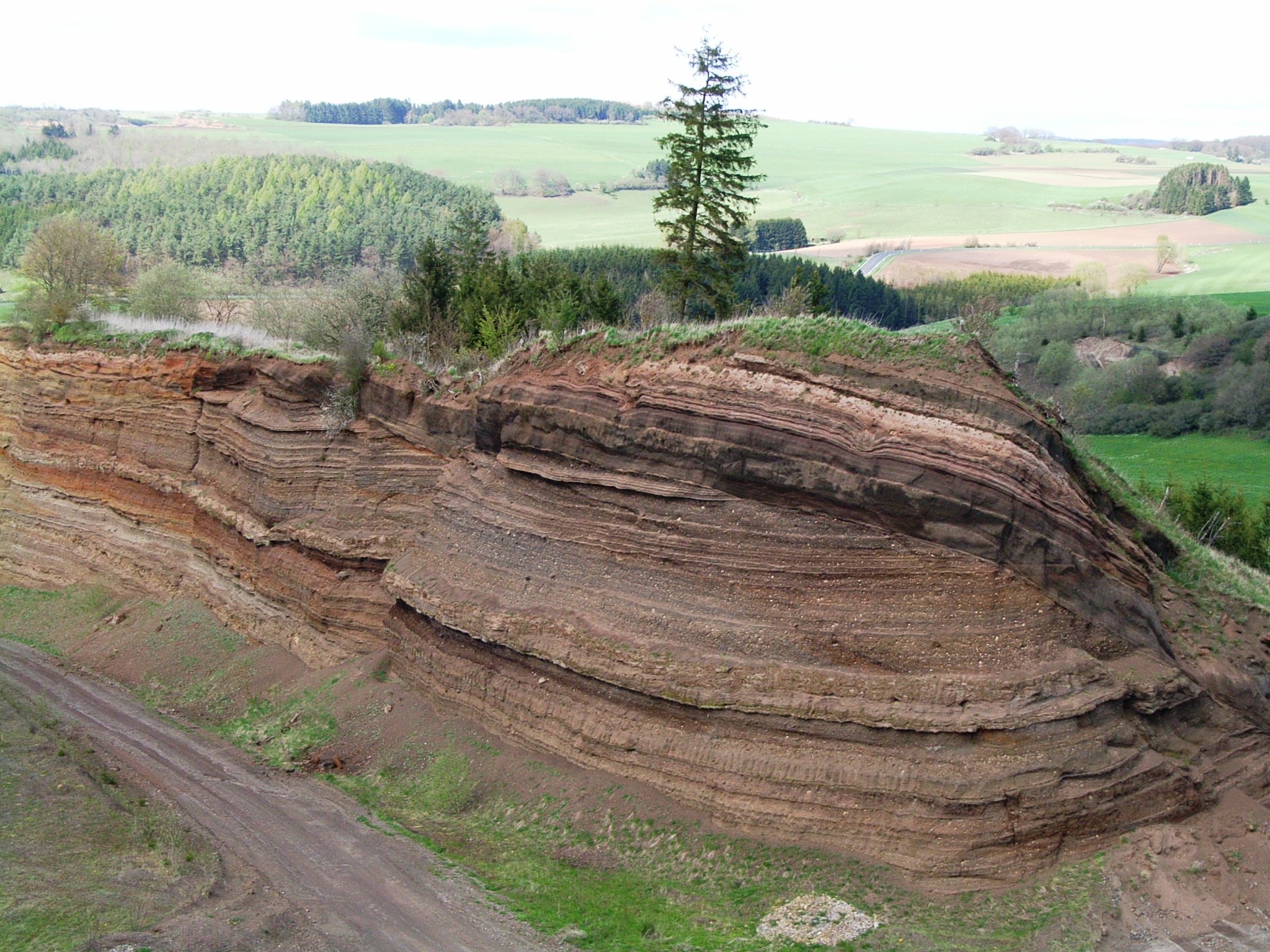
The formation of a Lode in Mining is primarily controlled by hydrothermal processes, though magmatic and metamorphic processes also play important roles in specific geological environments.
Hydrothermal Lode Formation in Mining
The most common and economically significant process of Lode in Mining formation is the hydrothermal process, where hot mineral-rich fluids generated deep in the Earth’s crust circulate upward through fractures and faults in the surrounding rock.
As these hydrothermal fluids cool and their pressure drops while moving through fractures, the dissolved metals and minerals precipitate out of solution and accumulate as solid mineral deposits within the fracture walls, forming the classic lode deposit that miners seek.
Magmatic Lode Formation in Mining
In magmatic settings, a Lode in Mining can form when volatile-rich fluids separate from a crystallising magma body and migrate into the surrounding country rocks, depositing metals in fractures and creating mineralised lode systems around igneous intrusions.
This process is responsible for many of the world’s most important gold and copper lode deposits associated with granitic intrusions found across all continents.
Metamorphic Lode Formation in Mining
Metamorphic processes can also generate Lode in Mining deposits when existing mineralised rocks are subjected to intense heat and pressure during mountain-building events, causing fluids to be expelled from the rock mass and migrate into fractures where they deposit concentrated metallic minerals.
Many of Australia’s largest and most productive orogenic gold lode deposits formed through exactly this metamorphic fluid expulsion process during ancient mountain-building events.
| Formation Process | Mechanism | Typical Lode Minerals | Famous Example |
|---|---|---|---|
| Hydrothermal | Hot mineral fluids deposit metals in fractures as they cool | Gold, Silver, Copper, Lead, Zinc | Comstock Lode, Nevada USA |
| Magmatic | Fluids from crystallising magma enter surrounding fractures | Gold, Copper, Molybdenum | Kolar Gold Fields, India |
| Metamorphic | Heat and pressure expel fluids that deposit metals in fractures | Gold, Tungsten, Antimony | Super Pit, Kalgoorlie Australia |
| Epithermal | Low-temperature shallow hydrothermal fluids near surface | Gold, Silver, Electrum | Hishikari Mine, Japan |
Types of Lode in Mining
Lode in Mining can be classified into several distinct types based on the geometry of the mineralised fracture system, the relationship between the ore and the host rock, and the pattern of mineralisation within the lode structure.
Understanding the different types of Lode in Mining is important because each type has different characteristics that affect exploration strategy, resource estimation, and the choice of underground mining method used to extract it.
Simple Vein Lode in Mining
A Simple Vein Lode in Mining is the most straightforward type, consisting of a single, well-defined, tabular body of mineralised rock filling a fracture or fault plane, with clear sharp contacts against the Footwall and Hanging Wall rocks on either side.
Simple vein lodes are the classic gold lode that most people picture when they think of hard rock gold mining – narrow, high-grade, and requiring selective mining methods to extract profitably.
Stringer Lode in Mining
A Stringer Lode in Mining is formed where the host rock is so thoroughly permeated by a dense network of small, closely spaced, intersecting mineralised veinlets that the ore cannot be separated from the surrounding host rock – instead, the entire mass of ore and enveined rock must be mined together.
Stringer lodes are typically lower grade but much larger in volume than simple vein lodes, making them well-suited to bulk underground mining methods or large-scale open pit operations.
Saddle Reef Lode in Mining
A Saddle Reef Lode in Mining forms at the hinges or fold closures of folded rock sequences where open spaces develop and are subsequently filled by mineralising hydrothermal fluids, creating a distinctive saddle or arch-shaped ore body geometry.
The Bendigo goldfield in Victoria, Australia is one of the most famous historical examples of saddle reef lode gold mining, where miners followed the saddle-shaped ore bodies to great depths.
Replacement Lode in Mining
A Replacement Lode in Mining forms where hydrothermal fluids chemically dissolve and replace the original host rock minerals with new ore minerals, creating mineralised zones that may not follow simple fracture patterns but instead follow reactive host rock horizons such as limestone or dolomite.
Skarn gold and silver replacement lodes are classic examples where hot fluids from igneous intrusions have replaced carbonate host rocks with economically valuable mineral assemblages.
| Type of Lode | Geometry | Grade Characteristics | Typical Mining Method |
|---|---|---|---|
| Simple Vein Lode | Single narrow tabular fracture fill | High grade, narrow width | Cut and Fill, Shrinkage Stoping |
| Stringer Lode | Dense network of interconnected veinlets | Lower grade, large volume | Open Pit, Block Caving |
| Saddle Reef Lode | Arch-shaped at fold hinges | Variable grade, predictable geometry | Sub-level Stoping, Cut and Fill |
| Replacement Lode | Irregular, follows reactive host rock | Variable grade, irregular boundaries | Open Pit, Selective Underground |
| Mother Lode | Large primary lode system | Richest and largest of related lodes | Multiple methods combined |
Mother Lode in Mining – Definition and Importance
The Mother Lode in Mining refers to the principal, richest, and most extensive lode deposit within a mineralised district or goldfield from which numerous smaller secondary lode systems and placer deposits are ultimately derived through erosion and transportation.
The term Mother Lode in Mining carries both a specific geological meaning and a broader cultural significance – it became famous during the California Gold Rush when prospectors discovered the great belt of gold-bearing quartz veins running through the Sierra Nevada foothills that they named the Mother Lode.
In geological terms, the Mother Lode in Mining represents the primary hydrothermal feeder system from which metals were distributed outward into smaller satellite lodes and vein systems throughout the surrounding district.
Identifying the Mother Lode in a mining district is one of the primary objectives of regional exploration programs, as the Mother Lode typically represents the highest-grade and most continuous mineralisation in the entire district.
| Parameter | Mother Lode in Mining | Secondary Lode in Mining |
|---|---|---|
| Size | Largest and most extensive lode in the district | Smaller, derived from or related to Mother Lode |
| Grade | Typically highest grade in the district | Generally lower grade than Mother Lode |
| Continuity | Highly continuous along strike and dip | More variable and less continuous |
| Depth Extent | Often extends to great depth | May pinch out at shallower depths |
| Exploration Priority | Highest priority target in any district | Secondary target after Mother Lode identified |
| Famous Example | California Mother Lode, Sierra Nevada USA | Surrounding satellite veins and lodes |
Lode vs Placer Mining – Key Difference
The difference between Lode in Mining and Placer Mining is one of the most fundamental distinctions in mining geology and is regularly tested in mining and geology examinations at all levels.
A Lode deposit is an in-place primary ore deposit within solid bedrock, while a placer deposit is a secondary accumulation of dense, resistant minerals that have been physically weathered out of a lode and then transported and concentrated by water, wind, or gravity.
| Parameter | Lode in Mining | Placer Mining |
|---|---|---|
| Definition | In-place ore deposit within solid bedrock fractures | Secondary deposit of transported and concentrated minerals |
| Location of Ore | Locked within solid host rock | Found in loose gravel, sand, or river sediments |
| Origin | Primary – formed in original geological position | Secondary – derived from weathered lode deposits |
| Mining Method | Hard rock drilling, blasting, underground or open pit | Panning, sluicing, dredging, hydraulic mining |
| Equipment Required | Drills, explosives, underground machinery | Gold pan, sluice box, dredge |
| Capital Cost | High – extensive infrastructure required | Low – simple equipment for small-scale operations |
| Gold Purity | Often lower purity, mixed with sulphide minerals | Higher purity, naturally refined by transport |
| Scale of Operation | Large commercial and industrial scale | Small to medium scale, also artisanal |
| Depth of Mining | Can extend to very great depths | Shallow near-surface workings only |
| Processing Required | Complex metallurgical processing needed | Simple gravity separation often sufficient |
Lode in Mining Characteristics
Every Lode in Mining has a set of physical and geological characteristics that define its nature, control its geometry, and determine how it should be explored and extracted – and understanding these characteristics is essential for both geologists and mining engineers.
The most important characteristics of a Lode in Mining include its strike, dip, width, continuity, grade distribution, wall rock alteration, and the nature of its contact with the surrounding host rock.
| Characteristic | Definition | Significance in Mining |
|---|---|---|
| Strike of Lode | Horizontal compass direction along which the lode extends | Guides orientation of underground drives and exploration drilling |
| Dip of Lode | Angle of inclination of the lode from horizontal | Controls underground mining method selection |
| Width of Lode | Perpendicular distance across the mineralised zone | Determines equipment size and stope height design |
| Grade of Lode | Concentration of valuable metal within the lode | Primary factor in economic viability assessment |
| Continuity of Lode | How consistently the lode persists along strike and dip | Affects resource confidence classification |
| Wall Rock Alteration | Mineralogical changes in host rock adjacent to lode | Used as a pathfinder guide in exploration |
| Footwall Contact | Lower boundary between lode and Footwall rock | Defines lower limit of ore for mining and dilution control |
| Hanging Wall Contact | Upper boundary between lode and Hanging Wall rock | Defines upper limit of ore and controls roof stability |
Hard Rock Lode Mining – Methods and Equipment
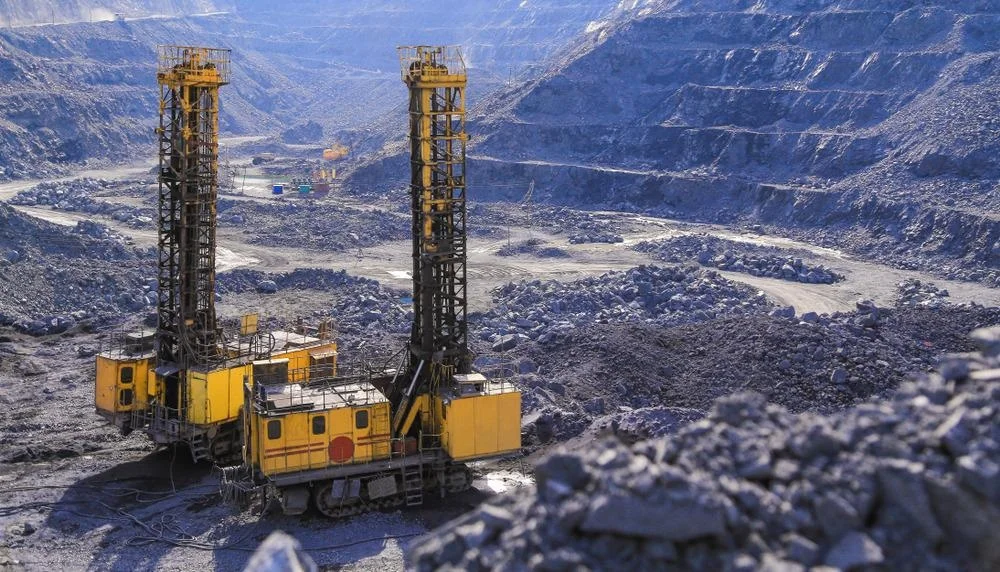
Hard Rock Lode Mining refers to the process of extracting ore directly from a solid rock Lode in Mining using mechanised drilling, blasting, and hauling operations either underground or in an open pit – and it is the dominant form of lode extraction used in modern commercial mining worldwide.
The specific hard rock lode mining method selected for any given lode deposit depends on the dip, width, depth, grade, and rock strength characteristics of both the lode itself and the surrounding host rock.
Underground Hard Rock Lode Mining Methods
When a Lode in Mining is too deep or too narrow for economical open pit extraction, underground hard rock mining methods are employed to access and extract the ore while leaving the surface largely undisturbed.
The most commonly used underground methods for lode mining are Cut and Fill Stoping for narrow high-grade lodes, Shrinkage Stoping for steeply dipping lodes, and Sub-level Open Stoping for wider and more competent lode systems.
| Underground Method | Best Suited Lode Type | Key Advantage |
|---|---|---|
| Cut and Fill Stoping | Narrow, high-grade, steeply dipping lodes | Excellent grade control and low dilution |
| Shrinkage Stoping | Steep dipping lodes with competent ore | Broken ore supports Hanging Wall temporarily |
| Sub-level Open Stoping | Wide, competent lodes at moderate to steep dip | Highly mechanised and productive |
| Longhole Stoping | Regular geometry steeply dipping lodes | High production rate with remote drilling |
| Room and Pillar | Flat to gently dipping tabular lodes | Simple mechanised layout with good access |
Gold Lode in Mining
Gold Lode in Mining is the most historically significant and economically important category of lode deposit, accounting for the vast majority of the world’s gold production in modern commercial mining operations.
A Gold Lode in Mining typically consists of gold-bearing quartz veins hosted within greenstone belts, granite-greenstone contacts, or metamorphic terrains, and the gold may occur as free native gold visible to the naked eye or as microscopic particles locked within sulphide minerals that require chemical processing to extract.
| Gold Lode Type | Host Rock | Gold Occurrence | Processing Method |
|---|---|---|---|
| Orogenic Gold Lode | Greenstone belts, metamorphic rocks | Free gold in quartz veins | Gravity separation, cyanidation |
| Epithermal Gold Lode | Volcanic rocks near surface | Fine gold with silver in veinlets | Heap leach cyanidation |
| Carlin-type Gold Lode | Carbonate sedimentary rocks | Invisible microscopic gold in rock | Autoclave, pressure oxidation |
| Intrusion-related Gold Lode | Granite and related intrusive rocks | Gold with bismuth, tungsten minerals | Flotation, cyanidation |
Lode Mining Advantages and Disadvantages
Lode in Mining offers significant advantages in terms of ore grade, deposit size, and economic output, but it also comes with considerable challenges in terms of capital cost, technical complexity, and operational risk compared to simpler placer or alluvial mining operations.
Understanding both the advantages and disadvantages of Lode Mining is important for feasibility studies, investment decisions, and method selection at the project planning stage.
| Advantages of Lode in Mining | Disadvantages of Lode in Mining |
|---|---|
| Large and continuous ore reserves at depth | Very high capital cost for infrastructure |
| High production rates with mechanised methods | Complex drilling, blasting, and processing needed |
| Consistent grade distribution in well-defined lodes | Underground safety risks including roof fall and gas |
| Predictable geometry allows accurate mine planning | Long lead time from discovery to production |
| Can operate at great depth following the ore | High energy consumption in deep hard rock mining |
| Suitable for large-scale commercial production | Environmental impact from tailings and waste rock |
Lode in Mining – Diagram Explanation
A standard Lode in Mining diagram clearly shows the key structural components of a typical mineralised lode system, including the vein itself, the Hanging Wall and Footwall contacts, the surrounding host rock, and the underground workings used to extract the ore.
The table below explains each key label that appears in a standard Lode in Mining diagram as used in mining geology and underground mining engineering textbooks and training materials.
| Diagram Label | Position | Description |
|---|---|---|
| Lode / Vein | Central mineralised zone | The ore-bearing fracture fill containing valuable metals |
| Hanging Wall | Above the lode | Upper rock mass forming the ceiling of the stope |
| Footwall | Below the lode | Lower rock mass forming the floor of the stope |
| Lode Width | Perpendicular across the vein | True thickness of the mineralised zone |
| Dip Direction | Down-slope direction of lode plane | Controls ore movement direction and mining method |
| Wall Rock Alteration | Adjacent to lode contacts | Chemically changed host rock used as exploration guide |
| Stope Excavation | Within the lode width | Underground space created by ore extraction |
| Footwall Drive | Tunnel in Footwall rock | Access tunnel parallel to lode in stable Footwall rock |
Lode in Mining – Important for Competitive Exams
The topic of Lode in Mining is regularly tested in GATE Mining, DGMS examinations, Mining Foreman, Overman, Mine Surveyor, and Junior Mining Engineer competitive examinations held across India and is also an important topic in university-level mining engineering courses.
The MCQ table below contains the most important exam-ready facts about Lode in Mining that will directly help you score better in your next competitive examination.
| Exam Question Pattern | Correct Answer |
|---|---|
| What is a Lode in Mining? | An in-place deposit of metalliferous ore within fractures or veins in solid bedrock |
| What is Lode in Mining called in Hindi? | Shira or Dhatu Nadi |
| What is the main difference between Lode and Placer deposits? | Lode is in-place primary ore in bedrock; Placer is transported secondary ore in loose sediment |
| What is a Mother Lode in Mining? | The primary richest lode from which smaller secondary lodes and placer deposits are derived |
| What is a Stringer Lode in Mining? | A lode formed by a dense network of small interconnected veinlets permeating the host rock |
| What process most commonly forms Gold Lode deposits? | Hydrothermal process – hot mineral-rich fluids depositing gold in rock fractures |
| Which mining method is used for narrow high-grade lodes? | Cut and Fill Stoping and Shrinkage Stoping |
| What is a Lode claim in Mining? | A legal claim filed over an in-place lode deposit granting the right to extract minerals |
| What is wall rock alteration in Lode Mining? | Chemical changes in host rock adjacent to the lode caused by hydrothermal fluid interaction |
| Which is the most famous historical Lode deposit in the world? | The Comstock Lode in Nevada, USA – one of the largest silver lode deposits ever mined |
MiningGyan – Your Trusted Mining Education Platform
MiningGyan is a dedicated mining education platform built specifically for mining engineering students, diploma candidates, working mine professionals, and competitive exam aspirants across India who need clear, accurate, and complete technical knowledge delivered in simple and well-structured English.
At MiningGyan, complex topics like Lode in Mining are explained with simple definitions, clear formation process descriptions, type-by-type breakdowns, detailed comparison tables, diagram explanations, and ready-to-use competitive exam MCQ notes.
MiningGyan covers the full spectrum of mining engineering topics – from underground mining methods and ore body geology to mine safety, ventilation, equipment, and mine legislation – making it a single comprehensive platform for all your mining education needs.
Every article on MiningGyan is carefully researched and structured to bridge the gap between textbook theory and real-world underground mining practice, ensuring that both students and working professionals get maximum value from every article they read.
| What MiningGyan Covers | Who It Is Most Helpful For |
|---|---|
| Lode in Mining, Ore Body, and Geological Deposit Types | Mining Engineering and Geology Students |
| Underground Mining Methods – Complete Step-by-Step Guides | B.Tech and Diploma Mining Engineering Students |
| Mining Equipment Working Principles and Types | Junior Mining Engineers and Graduate Trainees |
| Mine Safety, Legislation, and Ventilation Topics | Supervisors, Overmen, and Safety Officers |
| Competitive Exam Notes, MCQs, and Revision Tables | GATE, DGMS, Foreman, Overman, and Surveyor Aspirants |
| Fault Geology, Lode Geometry, and Structural Mining Topics | Exploration Geologists and Mine Planners |
MiningGyan’s mission is clear and unwavering – “To deliver accurate, complete, and accessible mining knowledge to every mining student and professional in India, completely free of charge.”
If you are building a career in mining engineering, exploration geology, or mine management, MiningGyan is the most reliable and student-friendly educational platform available to you today.
Frequently Asked Questions – Lode in Mining
A Lode in Mining is a naturally occurring concentration of valuable metallic minerals found within fractures or veins in solid bedrock, exactly where it was originally deposited by geological processes. It has not been moved or transported from its original formation site.
Lode Mining extracts ore directly from solid bedrock fractures and veins using hard rock drilling and blasting, while Placer Mining recovers minerals from loose sediments like river gravel and sand where they have been transported and concentrated by water from an original lode source.
The Mother Lode in Mining is the main, richest, and most extensive lode deposit in a mineralised district from which smaller secondary lodes and placer deposits are ultimately derived. It is the primary source and highest-grade target in any gold or mineral district.
The main types of Lode in Mining are Simple Vein Lode, Stringer Lode, Saddle Reef Lode, Replacement Lode, and Mother Lode. Each type has a different geometry and grade characteristic that determines the most appropriate underground mining method for its extraction.
A Gold Lode in Mining typically forms through the hydrothermal process where hot, gold-bearing fluids generated deep in the Earth’s crust circulate through fractures in the rock and deposit gold as they cool, creating the quartz-gold vein systems that are the primary source of most of the world’s mined gold.
Conclusion – Lode in Mining
Lode in Mining is a foundational concept that underpins the entire field of economic geology and hard rock mining engineering – from the very first exploration decision to the final extraction of ore from deep underground workings.
Understanding what a Lode in Mining is, how it forms, what types exist, how it differs from placer deposits, and how it is extracted using modern hard rock mining methods gives any mining student or professional the essential technical vocabulary needed for both exam success and practical career development.
This complete guide by MiningGyan has covered all major aspects of Lode in Mining – from its definition and history to its formation processes, types, Mother Lode concept, characteristics, Gold Lode types, Hard Rock Lode Mining methods, advantages and disadvantages, diagram explanation, and competitive exam MCQ table.
Explore more such free, detailed, and exam-ready mining guides on MiningGyan and continue building the strong technical foundation that your mining career truly deserves.



One Response