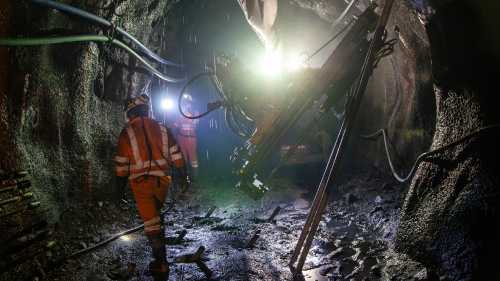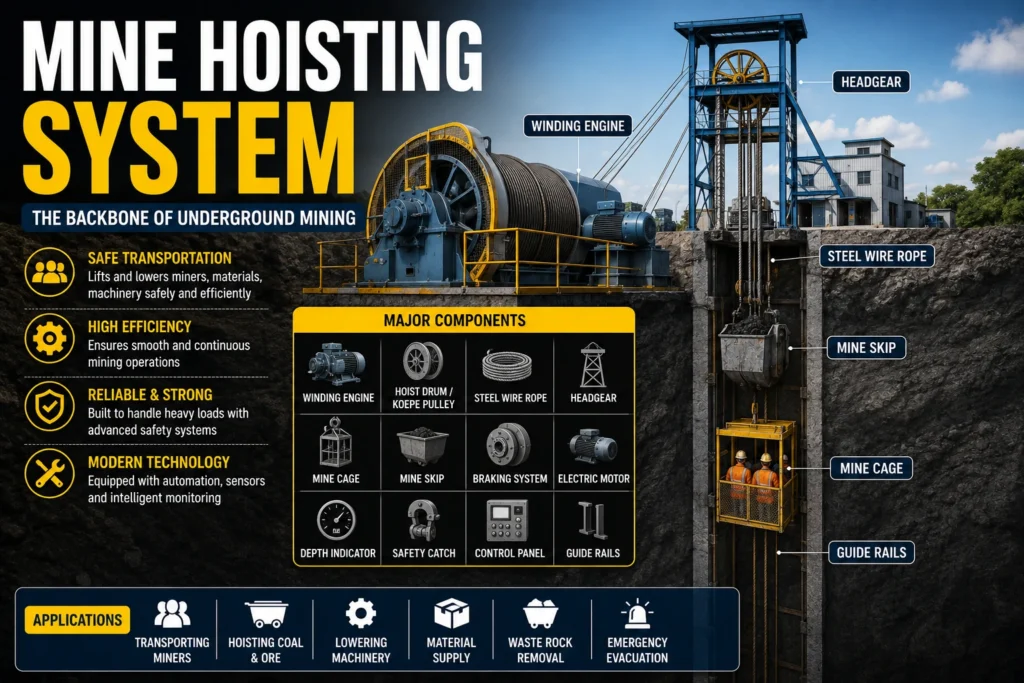
A Mine Hoisting System is one of the most important transportation systems used in underground mining. It is responsible for lifting and lowering miners, coal, ore, machinery, and materials between the underground workings and the surface through vertical or inclined shafts. Without a reliable hoisting system, efficient underground mining would not be possible.
Modern Mine Hoisting System technology combines powerful winding engines, steel wire ropes, cages, skips, guide rails, braking systems, and advanced automation to ensure safe and continuous transportation. These systems are designed to operate under heavy loads while maintaining high safety standards.
For GATE Mining, Mining Sirdar, Overman, DGMS, PSU recruitment, and Mining Engineering examinations, the Mine Hoisting System is a highly important topic because it integrates mine transportation, mechanical engineering, shaft design, safety systems, and statutory requirements.
What Is a Mine Hoisting System?
A Mine Hoisting System is a mechanical arrangement used to transport personnel, minerals, equipment, and supplies through mine shafts. The system operates by winding and unwinding a steel wire rope on a winding drum or friction pulley, allowing the cage or skip to move vertically.
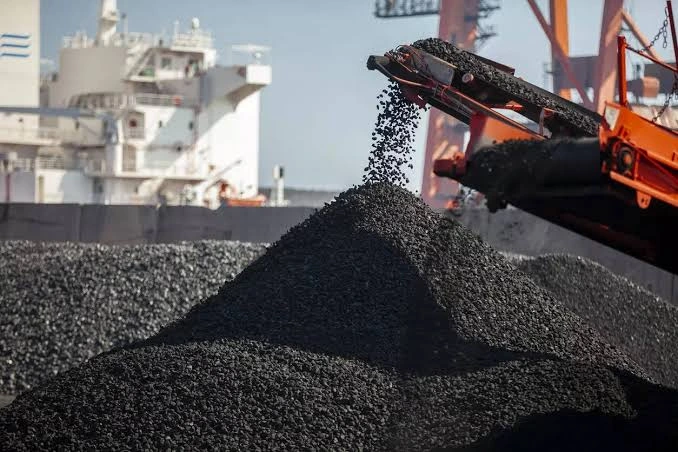
The hoisting system is one of the most critical infrastructure facilities in an underground mine because almost every production activity depends on it.
Its primary functions include:
- Transport miners safely
- Hoist coal and minerals
- Lower machinery and materials
- Remove waste rock
- Support shaft inspection
- Facilitate emergency evacuation
Why Is a Mine Hoisting System Important?
An efficient Mine Hoisting System directly affects mine productivity and safety. A poorly maintained hoisting system can result in production delays, equipment damage, and serious accidents.
Major advantages include:
- Faster transportation
- Safe movement of workers
- High production efficiency
- Reduced transportation time
- Reliable material handling
- Better emergency response
- Improved operational efficiency
- Reduced manual labour
A properly designed hoisting system is therefore essential for every underground mining operation.
Working Principle of a Mine Hoisting System
The Mine Hoisting System works by converting rotational motion from the winding engine into vertical movement of the cage or skip.
The winding engine rotates the drum or friction pulley, causing the steel wire rope to wind or unwind. This movement raises or lowers the cage through the shaft. Counterweights or balanced loads improve efficiency and reduce power consumption.
The basic operating cycle includes:
- Loading personnel or material
- Starting the winding engine
- Controlled lifting or lowering
- Speed regulation
- Safe stopping at the desired level
- Unloading the cage or skip
Modern hoisting systems use automatic control systems, speed sensors, and emergency braking devices for safe operation.
Components of a Mine Hoisting System
A Mine Hoisting System consists of several mechanical and electrical components working together.
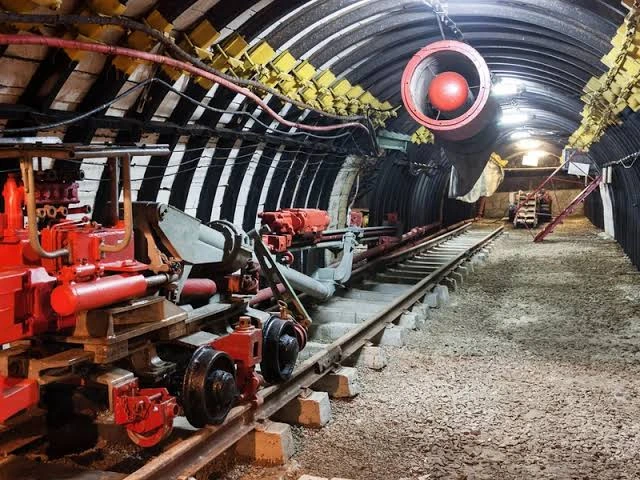
Major components include:
- Winding Engine
- Hoist Drum or Koepe Pulley
- Steel Wire Rope
- Mine Cage
- Mine Skip
- Headgear
- Guide Rails
- Braking System
- Electric Motor
- Depth Indicator
- Safety Catch
- Control Panel
Each component is designed to withstand heavy loads and continuous operation under mining conditions.
Types of Mine Hoisting System
Different mining conditions require different Mine Hoisting System arrangements.
Drum Hoist
The drum hoist winds the wire rope onto a cylindrical drum. It is widely used in medium-depth mines due to its simple construction and reliable operation.
Friction (Koepe) Hoist
A Koepe hoist uses a friction pulley instead of winding the rope on a drum. It is suitable for deep mines with high production requirements.
Single Drum Hoist
Uses one drum for winding and is suitable for smaller underground operations.
Double Drum Hoist
Uses two drums for greater flexibility and higher production efficiency.
Best Mining Course in India – Complete Guide for Mining Engineering Students & GATE Aspirants
Safety Devices in a Mine Hoisting System
Safety is the highest priority in every Mine Hoisting System. Various protective devices prevent accidents and equipment failure.
Important safety devices include:
- Overwind Protection
- Overspeed Protection
- Automatic Braking System
- Safety Catch
- Depth Indicator
- Slack Rope Switch
- Overload Protection
- Emergency Stop System
- Limit Switches
- Rope Inspection System
Regular testing of these safety devices is mandatory before operation.
Applications of a Mine Hoisting System
A Mine Hoisting System performs several important transportation functions.
Major applications include:
- Transporting miners
- Hoisting coal and ore
- Lowering heavy machinery
- Material supply
- Waste rock removal
- Shaft sinking operations
- Emergency evacuation
- Maintenance activities
Modern underground coal mines depend heavily on efficient hoisting operations to maintain production.
Advantages of a Mine Hoisting System
An efficient Mine Hoisting System provides several operational benefits.
Major advantages include:
- High transportation capacity
- Fast movement of personnel
- Reduced production delays
- Safe vertical transportation
- Lower operating cost
- High reliability
- Better emergency preparedness
- Improved productivity
These benefits make hoisting one of the most valuable transportation systems in mining.
Challenges in a Mine Hoisting System
Despite its reliability, the Mine Hoisting System faces several operational challenges.
Common issues include:
- Wire rope wear
- Brake failure
- Power interruptions
- Shaft alignment problems
- Mechanical vibration
- Corrosion
- High maintenance cost
- Heavy dynamic loads
Routine inspection and preventive maintenance help ensure safe operation.
Future of Mine Hoisting System
Modern Mine Hoisting System technology is becoming increasingly automated and intelligent.
Future developments include:
- AI-based predictive maintenance
- Digital monitoring systems
- Remote hoist operation
- Smart braking systems
- Automated inspection drones
- Real-time rope health monitoring
- Energy-efficient electric drives
- IoT-enabled safety monitoring
These innovations will improve safety, reliability, and productivity while reducing maintenance costs.
Conclusion
Mine Illumination System: Complete Guide to Underground Mine Lighting, Standards and Safety
A Mine Hoisting System is the backbone of underground transportation. It enables the safe and efficient movement of personnel, minerals, equipment, and materials through mine shafts. Modern hoisting systems combine advanced mechanical design, electrical control, and intelligent safety devices to support continuous mining operations.
Understanding the Mine Hoisting System is essential for Mining Engineering students, GATE aspirants, Mining Sirdar, Overman, DGMS, and PSU candidates because it is one of the most frequently asked technical topics in mining examinations and plays a vital role in underground mine operations.
Frequently Asked Questions
What is a Mine Hoisting System?
A Mine Hoisting System is a mechanical system used to lift and lower personnel, minerals, and materials through mine shafts.
Which rope is used in a Mine Hoisting System?
High-strength steel wire ropes are commonly used because they provide excellent load-carrying capacity and durability.
What is the difference between a cage and a skip?
A cage transports miners and equipment, while a skip is mainly used for hoisting coal, ore, or waste rock.
Which hoist is preferred for deep mines?
The Koepe (friction) hoist is generally preferred for deep mines due to its high efficiency and ability to handle large loads.
Why is a Mine Hoisting System important?
It ensures safe transportation, increases production efficiency, reduces transportation time, and supports emergency evacuation during mine accidents.