
India’s power sector sharply increased coal imports in August 2026 as high electricity demand and lower hydropower generation put additional pressure on domestic coal supplies.
Coal imports by Indian power utilities reached approximately 5.52 million tonnes in August 2026, marking an 85.6% increase compared with August 2025 and the highest monthly level in 15 months.
The increase highlights an important development in India’s coal supply chain. While the country continues to expand domestic coal production, power generators have increasingly relied on imported coal to meet short-term demand.
The situation also demonstrates how weather, electricity consumption, domestic production, transportation and international coal prices can interact to influence India’s mining and energy markets.
India Coal Imports August 2026: Key Numbers
The latest data shows a significant increase in coal imports by India’s power sector.
Key figures include:

- Power-sector coal imports: approximately 5.52 million tonnes
- Year-on-year increase: 85.6%
- Highest monthly level in 15 months
- Indonesia supplied approximately 4.2 million tonnes
- Domestic coal supply increased by around 2.3 million tonnes
- Power-sector coal consumption increased substantially during the month
Around 80% of the imported coal came from Indonesia.
This makes Indonesia particularly important to India’s short-term thermal power fuel supply.
Why Did Coal Imports Increase?
Several factors contributed to the increase.
The first was strong electricity demand.
India experienced periods of high temperatures, increasing the use of air conditioners, coolers and other cooling equipment.
Higher cooling demand translates directly into higher electricity consumption.
Thermal power plants were therefore required to generate more electricity.
At the same time, hydropower generation was relatively weaker, increasing dependence on thermal generation.
Hydropower Availability Affects Coal Demand
India’s electricity system uses multiple generation sources.
These include:
- Coal
- Natural gas
- Hydropower
- Solar
- Wind
- Nuclear power
- Other renewable sources
When hydropower generation falls, other sources need to compensate for the difference.
Coal-fired power plants can therefore become more important during periods when hydro availability is lower.
This creates additional demand for thermal coal.
Domestic Coal Supply Was Not Enough to Cover the Increase
Domestic coal supply to power plants did increase during August.
However, the increase was not large enough to fully cover the growth in coal consumption.
This created a supply gap.
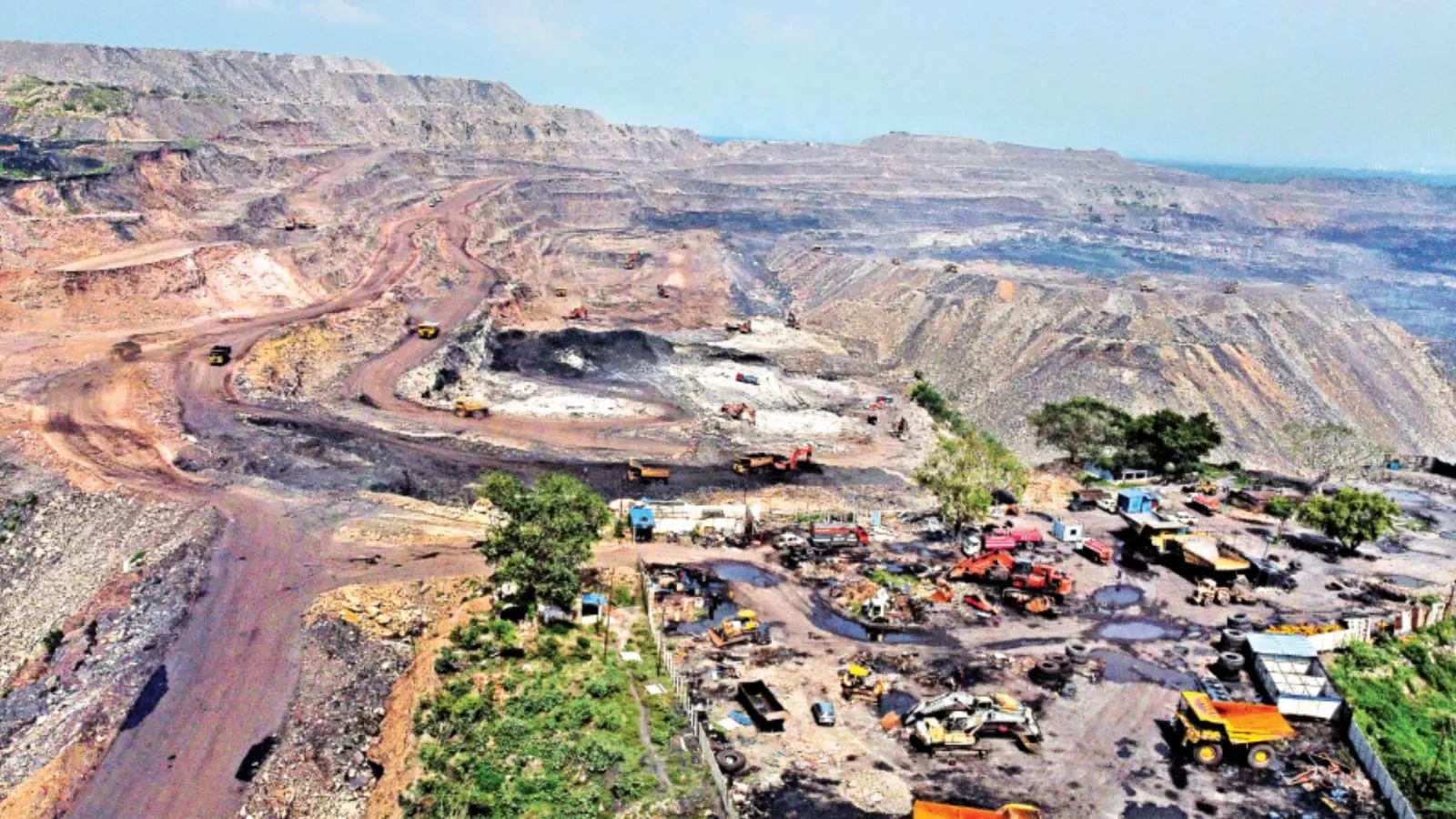
Power plants can manage temporary supply gaps by using existing stockpiles.
But when inventories are already under pressure, utilities may turn toward imported coal.
This is one reason imports can rise quickly during periods of high electricity demand.
Indonesia Became India’s Main Import Source
Indonesia supplied approximately 4.2 million tonnes of the imported coal used by Indian utilities during August.
Indonesia is an important supplier because of its geographical proximity to India and its large thermal-coal export industry.
Other major coal suppliers to India include countries such as:
- Australia
- Russia
- South Africa
- Mozambique
The choice of supplier depends on coal quality, price, freight costs, availability and compatibility with power-plant boilers.
Imported Coal Is Generally More Expensive
One major challenge with increasing imports is cost.
Imported coal can become more expensive because the final price includes several additional components.
These can include:
- International coal price
- Ocean freight
- Port handling
- Inland transportation
- Currency movements
- Import-related charges
Domestic coal generally has a different cost structure because it does not require international shipping.
Therefore, a large increase in imported coal can increase the fuel cost of power generation.
Global Coal Prices Have Also Increased
The timing of India’s increased imports is important because international coal prices have also moved higher.
Indonesian coal prices increased significantly from their earlier levels during 2026.
Russian and South African coal prices also recorded increases.
This means Indian power generators were not simply buying more coal.
They were purchasing more coal in an international market where prices had also become less favourable.
Why Coal Stock Levels Matter
Coal imports are closely connected to power-plant inventories.
A thermal power plant normally maintains a coal stockpile to protect itself from temporary disruptions.
If daily coal consumption is higher than daily coal receipts, inventory begins to decline.
For example:
If a power plant consumes 30,000 tonnes per day but receives only 25,000 tonnes, it loses 5,000 tonnes from its stock every day.
If this continues for ten days, the plant would consume approximately 50,000 tonnes more than it receives.
This is why stock management is critical.
Coal Imports and India’s Mining Sector
At first glance, rising imports may appear to be only an energy-sector story.
However, it is also directly connected to mining.
Domestic coal mines need to produce enough material and transport it efficiently to consumers.
The complete chain is:
Coal Mining → Coal Handling → Railway or Road Transport → Power Plant → Electricity Generation
A problem at any stage can increase pressure on imports.
This means mining productivity and transportation infrastructure remain important even when international coal is available.
What Can India Do to Reduce Import Dependence?
India has been working to increase domestic coal production.
Major initiatives include:
- Commercial coal mine auctions
- Captive coal mining
- New coal blocks
- First Mile Connectivity projects
- Mechanised coal loading
- Railway infrastructure
- Digital mine operations
The objective is not necessarily to eliminate all coal imports.
Some industries require specific grades or types of coal that may not be readily available domestically.
However, increasing domestic production can reduce dependence on international supplies where suitable domestic coal is available.
First Mile Connectivity Is Important
First Mile Connectivity refers to systems that move coal from the mine to the transportation network with greater efficiency.
Modern systems can use:
- Conveyors
- Silos
- Rapid loading systems
- Automated handling equipment
Improving first-mile connectivity can increase dispatch capacity and reduce dependence on slower loading methods.
For power plants, faster and more reliable dispatch can help stabilise coal inventories.
What Does the Import Surge Mean for Mining Companies?
The August import increase sends a useful signal to domestic mining companies.
Strong power demand creates a requirement for reliable coal supply.
Mining companies that can maintain production and dispatch during periods of high demand can play an important role in reducing supply pressure.
This makes:
- Mine productivity
- Equipment availability
- Mine drainage
- Coal quality
- Transportation
- Stock management
increasingly important.
Future Outlook
India’s electricity demand is expected to remain sensitive to temperature and economic activity.
As cooling demand grows and industrial consumption increases, thermal power plants will continue to play an important role in the electricity system.
Renewable energy capacity is also expanding rapidly, but storage limitations mean coal-fired generation remains important for meeting demand during certain periods.
The balance between domestic coal production, imports, renewable generation and electricity demand will therefore remain important for India’s energy sector.
Conclusion
The India Coal Imports August 2026 surge highlights the pressure currently affecting the country’s power-sector fuel supply chain.
Power-sector coal imports reached approximately 5.52 million tonnes during August, an 85.6% increase year-on-year and the highest monthly level in 15 months.
Strong electricity demand, high cooling requirements and lower hydropower availability contributed to increased coal consumption.
Domestic coal supply also increased, but not enough to fully cover the additional demand.
For India’s mining industry, the development reinforces the importance of increasing domestic production while improving coal transportation and mine-to-power-plant logistics.
The coming months will show whether stronger domestic production and improving weather conditions can reduce the need for elevated coal imports.