India’s captive coal mining sector continues to expand, with production reaching 68.98 million tonnes up to September 10, 2026.
The latest figures show that captive coal production increased from 65.78 million tonnes during the corresponding period of the previous financial year.
That represents growth of approximately 5%, or an additional 3.2 million tonnes.
The performance is notable because much of this period falls within the Indian monsoon season, when mining and coal transportation can become more difficult.
Captive and commercial mines are increasingly becoming an important part of India’s domestic coal supply.
What Are Captive Coal Mines?
Captive coal mines are mines operated primarily to supply coal to the company’s own approved industrial requirements.
They can support sectors such as:

- Power generation
- Steel
- Cement
- Aluminium
- Other industries
The purpose is to provide a more direct source of coal for industrial operations.
Commercial coal mines, in contrast, produce coal for sale in the market.
Together, captive and commercial mining have become an increasingly important segment of India’s coal industry.
Captive Coal Production Increased in FY 2025-26
Captive coal production increased from:
167.44 million tonnes in FY 2024-25
to:
184 million tonnes in FY 2025-26
This represents approximately 10.10% growth.
Commercial mines produced approximately another 26 million tonnes.
Together, captive and commercial mines produced around 210 million tonnes during FY 2025-26.
Captive and Commercial Mines Now Represent a Significant Share
India’s total domestic coal production reached approximately 1,039 million tonnes in FY 2025-26.
Captive and commercial mines together accounted for roughly 21% of total domestic coal production.
This represents a major change from the earlier structure of India’s coal industry, where production was dominated much more heavily by traditional public-sector mining.
The increasing contribution of captive and commercial mines adds another source of domestic coal supply.
Why Captive Mining Is Important
Captive mining provides industrial companies with greater control over their raw-material supply.
A power plant, steel plant or other industrial operation that has access to captive coal can reduce dependence on external suppliers for at least part of its requirements.
This can improve supply planning.
It can also reduce exposure to:
- Market shortages
- Transportation disruptions
- Price volatility
- External supply uncertainty
However, captive mines still need efficient transportation and mine infrastructure.
Monsoon Makes Coal Mining More Difficult
The latest production growth is particularly relevant because it occurred during the monsoon season.
Heavy rainfall can affect:
- Mine pits
- Haul roads
- Drilling
- Blasting
- Equipment movement
- Coal handling
- Railway transportation
Water accumulation can temporarily restrict mining operations.
Haul roads can also become more difficult for heavy trucks to use.
This means maintaining production during the monsoon requires detailed planning.
Mine Drainage Is Essential
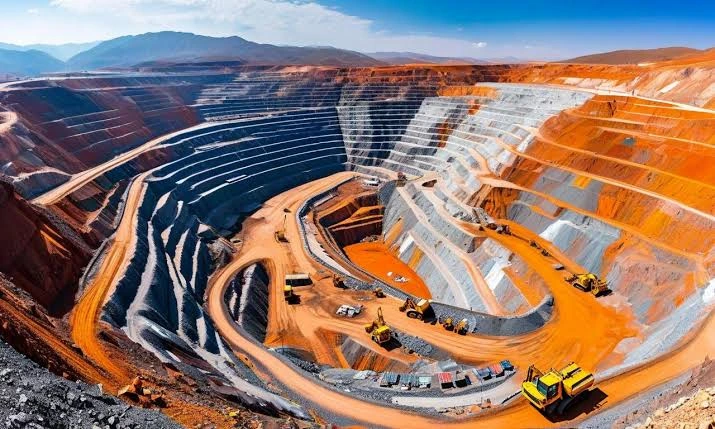
Open-cast mines are especially sensitive to rainfall.
Water can enter the mine pit through:
- Direct rainfall
- Surface runoff
- Groundwater
- Nearby drainage systems
Mining engineers therefore design drainage systems that collect and remove water.
These may include:
- Sumps
- Pumps
- Catch drains
- Garland drains
- Settling ponds
Effective drainage allows mining operations to continue safely.
Captive Mine Dispatch Also Increased
Production is only one part of the story.
Captive mines dispatched approximately 75.68 million tonnes up to September 10, compared with 71.43 million tonnes during the corresponding period of the previous year.
That represents growth of approximately 5.94%.
Higher dispatch indicates that the additional coal production is also moving toward industrial consumers.
This is important because production without adequate transportation does not necessarily improve supply.
What Is Coal Dispatch?
Coal dispatch refers to the movement of produced coal from the mine or coal-handling facility to the consumer.
A typical chain is:
Mine → Coal Handling Plant → Stockyard → Railway/Road → Industrial Consumer
Dispatch can therefore be affected by transportation capacity.
If a mine produces more coal than its evacuation infrastructure can handle, stockpiles can build up.
This is why production and dispatch must be planned together.
New Captive and Commercial Mines Are Coming Online
Nine captive and commercial mines are expected to begin production during FY 2026-27.
Together, these mines have a combined peak rated capacity of approximately 20.67 million tonnes per year.
Three of these mines, representing around 7.51 million tonnes of peak capacity, have already started production.
The remaining mines are expected to commence operations during the financial year.
Captive Coal Production Could Cross 190 Million Tonnes
Based on the current production trajectory, captive coal production is expected to cross 190 million tonnes during FY 2026-27.
Combined captive and commercial production could exceed 228 million tonnes during the financial year.
These are projections rather than final production results.
Actual output will depend on mine development, approvals, equipment availability, geological conditions and operational performance.
How Captive Mining Supports Energy Security
Domestic coal production is closely connected to India’s energy security.
Coal remains a major source of electricity generation.
It is also important for industrial sectors such as steel and cement.
Increasing captive production can therefore support domestic supply and reduce dependence on external sources for some industrial consumers.
This becomes especially important during periods when international coal prices rise.
Captive Mining and Coal Imports
India continues to import coal for specific industrial and power-sector requirements.
Some grades of coal are not always available domestically in sufficient quantities.
However, increasing domestic production can reduce the need for imports where suitable domestic resources are available.
Captive mines therefore form one part of India’s broader strategy to improve domestic coal availability.
Technology Can Improve Captive Mine Performance
Captive mines are also increasingly adopting modern technologies.
These can include:
- GPS fleet management
- Digital mine planning
- Drones
- Automated coal handling
- Real-time equipment monitoring
- Predictive maintenance
Such technologies can improve equipment utilisation and help mine managers make faster decisions.
Role of Mining Engineers
Captive mining creates opportunities for mining engineers across multiple areas.
Professionals may work in:
- Mine planning
- Production
- Surveying
- Geology
- Equipment management
- Safety
- Mine ventilation
- Environmental management
- Coal quality
Because captive mines directly support industrial operations, production planning needs to remain closely connected to the consumer’s requirements.
Challenges for Captive Mines
Despite strong growth, captive mines face several challenges.
These include:
Land and Environmental Approvals
New mines require appropriate approvals before full-scale development.
Infrastructure
Roads, railway sidings and coal handling systems need to be developed alongside mines.
Geological Conditions
Actual production can vary from initial geological estimates.
Monsoon Disruptions
Rainfall can affect both production and evacuation.
Equipment Availability
Large mining equipment requires continuous maintenance and high utilisation.
Future of Captive Coal Mining in India
The role of captive mining is likely to become increasingly important as industries seek greater control over their fuel and raw-material supply.
The combination of new mines, technology and better infrastructure could increase production further.
At the same time, mines will need to maintain strong environmental and safety standards.
The future of captive mining will therefore depend on balancing production growth with efficient resource management.
Conclusion
The Captive Coal Mines India 2026 sector is continuing to expand despite the operational challenges created by the monsoon.
Captive coal production reached 68.98 million tonnes up to September 10, around 5% higher than the corresponding period of the previous financial year.
Dispatch also increased by approximately 5.94%.
With new mines entering production and captive output expected to cross 190 million tonnes during FY 2026-27, the segment could become an even more important contributor to India’s domestic coal supply.
For the mining industry, the trend highlights the growing importance of captive and commercial mines alongside traditional coal producers.