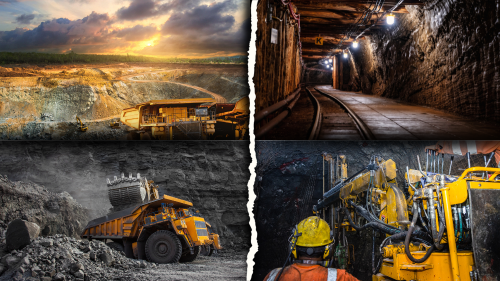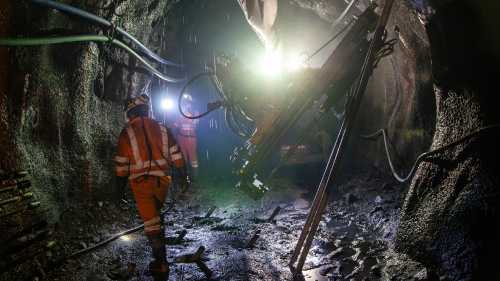
Welcome to Mining gyan, your trusted educational platform for everything related to mining engineering. When students and professionals start learning about underground mining, they are often amazed by the complex, city-like structures built deep beneath the earth.
Whether you are studying from educational hubs like Indore or attending technical classes in Sagar, understanding the core anatomy of an underground mine is essential for exams like GATE Mining and for your future career. In underground mining layout, excavations are divided into various functional zones. The most critical of these horizontal zones is the main level.
Students often ask, exactly how does an underground mine layout work? Imagine a high-rise building, but built downwards into the earth. The shaft acts as the elevator, and the horizontal floors connecting to that elevator are the levels.
In this comprehensive, beginner-to-advanced guide, we will explore the main level meaning in mining, how it functions as the central nervous system for ore transportation, and the strict DGMS rules that govern its construction in India. Bacche dekhte hain images toh interest rehta hai, so we have included detailed visuals to help you visualize these massive underground engineering marvels.
What is a Main Level in Mining?
Direct Answer: A main level in mining is a primary horizontal tunnel or network of tunnels driven from a vertical shaft or decline into the rock. It serves as the main artery for heavy ore transportation, personnel access, material movement, and primary ventilation routing within an underground mine.
To understand the concept deeply, you have to look at the mining infrastructure level as a permanent, high-capacity highway. When a mine is developed, shafts are sunk to specific depths. At regular depth intervals, usually ranging from 50 to 150 meters apart, massive horizontal tunnels are excavated. These are the main levels.
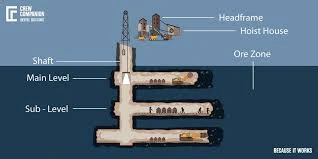
Unlike smaller temporary tunnels used just to extract a single block of ore, the main level in underground mining is built to last for decades. It is the central gathering point. All the broken ore from smaller, higher excavations (sub-levels and stopes) is eventually dropped down to this main level. Once it reaches the main production level mining zone, heavy locomotives or large underground dump trucks transport it to the shaft hoisting system to be taken to the surface.
How Does a Main Level Work in Mining? (Working Principle)
Direct Answer: A main level works by acting as the central collection and transit hub. Ore mined in upper stopes falls through vertical ore passes and collects in chutes on the main level. Heavy transport vehicles then load this ore and haul it along the level to the central shaft for hoisting.
The main level working principle relies on gravity and high-volume logistics. Here is a step-by-step breakdown of how the main level supports underground mining:
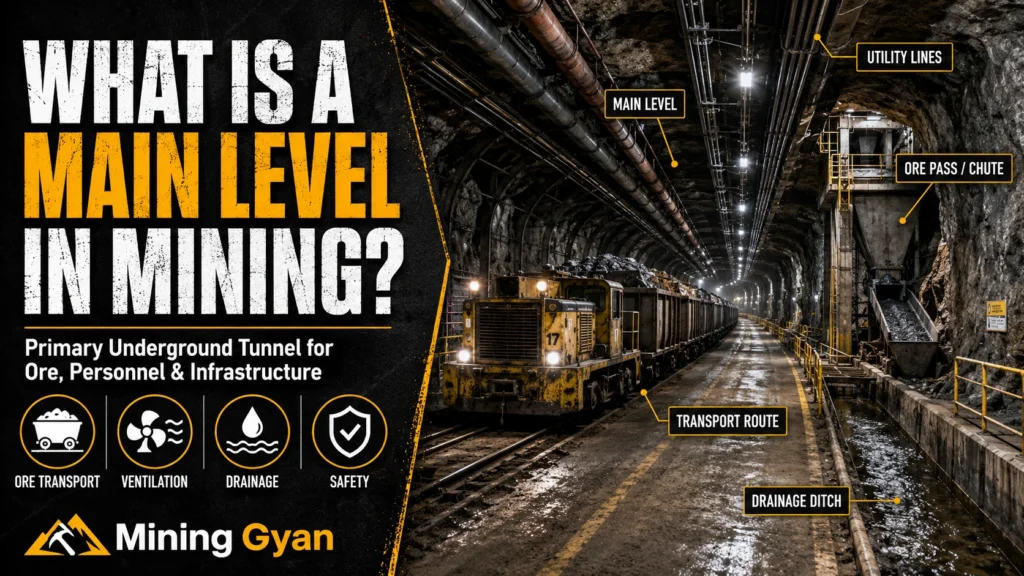
Step 1: Access and Infrastructure Setup First, the main level tunnel is excavated from the shaft toward the ore body. It is equipped with heavy-duty rail tracks or a perfectly graded concrete floor for rubber-tired vehicles. Large pipes for compressed air, fresh water, and electrical cables are hung from the roof.
Step 2: Connecting the Mine Vertical tunnels, called raises and winzes, are driven upwards and downwards from the main level to connect with other levels. This creates the underground mine levels network necessary for ventilation air to flow freely.
Step 3: Gravity-Fed Loading Miners blast rock in smaller sub-levels situated above the main level. Instead of hauling the rock upwards, they let gravity do the work. The broken rock is pushed into vertical holes called ore passes. The rock falls down and lands directly above the main haulage level.
Step 4: High-Capacity Transportation On the main transport level, massive steel chutes hold back the rock. An underground train or a large dump truck parks under the chute. The operator opens the chute, fills the vehicle in seconds, and drives along the flat, wide main level directly to the shaft loading pocket.
Locomotive train operating on a main transport level in an underground mine.
Benefits of Main Levels in Mining Operations
Direct Answer: The primary benefits of main levels include highly efficient, high-volume ore transportation, the establishment of stable primary ventilation circuits, centralized locations for underground pumping and electrical substations, and safer, wider access routes for mining personnel.
Why is a main level important in mining? The entire economics of an underground mine depends on how fast and cheaply you can move rock. The benefits of main levels in mines are immense:
Centralized Logistics: By concentrating all major transport on a few well-designed main levels, the mine operations team can use larger, faster, and more efficient equipment compared to navigating narrow, winding upper tunnels.
Energy Efficiency: Moving thousands of tons of rock horizontally on a main level requires far less energy and diesel fuel than driving trucks up steep spiral ramps.
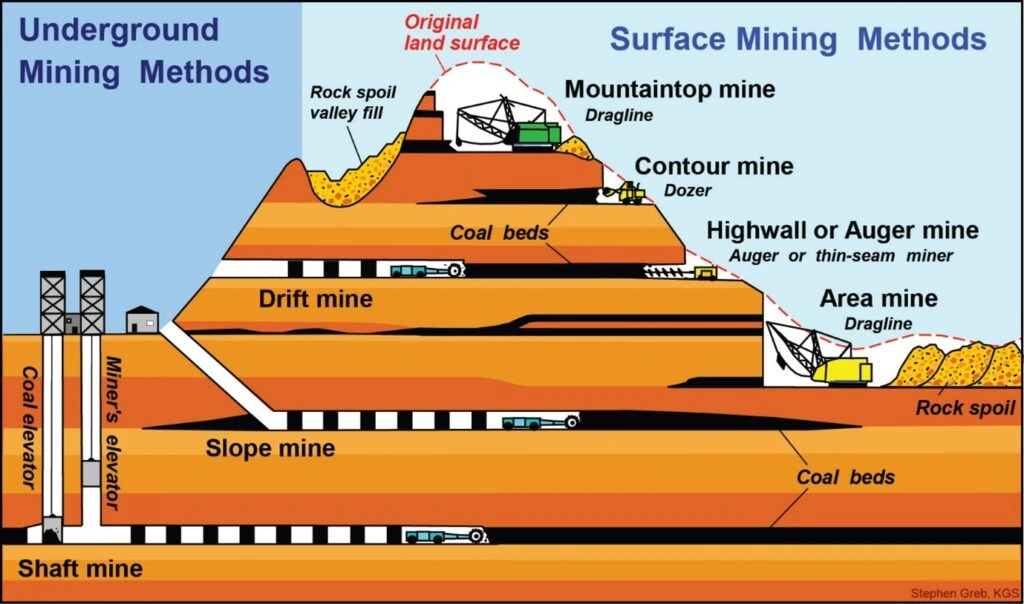
Life of Mine Infrastructure: Main levels are designed with permanent ground support. They house the critical underground workshops, heavy-duty water pumps, and electrical transformers that keep the entire mine running safely.
Key Features of Mining Main Level Infrastructure
Direct Answer: Key features of a main level include a massive cross-sectional area, a slight water-draining gradient, permanent concrete or heavy steel rock support, dual-track rail systems or wide trackless roadways, and integrated utility networks for power, water, and communications.
When studying main level design in mining, engineers focus on durability. A main access level in mining must withstand decades of heavy use.
Dimensions: These tunnels are massive, often 5 meters wide and 5 meters high, or even larger, to accommodate two-way traffic of large vehicles and massive ventilation ducting.
Gradient Control: A main level is never perfectly flat. It is engineered with a strict 1% to 2% grade. This ensures that the thousands of liters of groundwater constantly seeping into the mine flow naturally into drainage ditches and towards the main pumping stations.
Ground Support: Because of its permanent nature, the mine level system uses the highest standard of support. Engineers use resin-grouted rock bolts, thick steel wire mesh, and thick layers of sprayed concrete (shotcrete) to ensure the roof and walls never collapse.
Who Should Use It? (Who Needs a Main Level?)
Direct Answer: Main levels are essential for deep, large-scale underground mining operations, such as metalliferous mines extracting zinc, copper, gold, or deep underground coal mines. They are required whenever a mine relies on vertical shaft hoisting for high-tonnage production.
If you are exploring mining engineering jobs in India, you will find that operations in the mineral-rich belts of Jharkhand, Odisha, and Rajasthan rely heavily on main level mine development.
Deep Underground Mines: As surface open-pit mines reach their maximum economic depth, they transition to underground operations. Once a mine goes deeper than 500 meters, trucking ore up a spiral ramp becomes too expensive. A shaft and main level system becomes mandatory.
High-Production Operations: If a mine needs to move 5,000 to 10,000 tons of rock per day, standard tunnels cannot handle the traffic. A dedicated main haulage level equipped with automated electric trains is the only way to achieve this throughput efficiently.
Common Mistakes in Main Level Design and Construction
Direct Answer: Common mistakes include undersizing the tunnel profile resulting in equipment bottlenecks, excavating with an improper gradient causing severe flooding, and installing inadequate ground support which leads to dangerous rockfalls and expensive tunnel rehabilitation.
Learning about mistakes to avoid is crucial for anyone preparing for their DGMS First Class Manager exams.
Poor Water Management: If a main level is driven with dips and valleys, water will accumulate. Puddles hide potholes, destroy vehicle tires, and eventually erode the foundation of the rail tracks. A poorly drained main level will cripple mine production.
Underestimating Ventilation Needs: Main levels act as the primary intake airways for fresh air. If the tunnel is too small, the air resistance increases, and the massive ventilation fans on the surface will consume enormous amounts of electricity trying to push air through.
Short-Term Thinking on Ground Support: Using cheap, temporary rock bolts in a main level is a fatal flaw. Over ten or twenty years, the surrounding rock will shift. If the main level collapses, the entire section of the mine is lost.
Expert Tips for Main Level Maintenance
Direct Answer: Expert maintenance involves continuous monitoring of rock convergence using extensometers, daily cleaning of drainage ditches, routine grading of trackless roadways, and strict adherence to DGMS safety regulations regarding refuge chambers and fire suppression systems.
As a topical authority in mining gyan, we highly recommend the following best practices for maintaining a main production level:
Daily Roadway Maintenance: For trackless mining (using trucks instead of trains), deploy an underground motor grader every day. A smooth floor reduces wear and tear on expensive dump truck suspensions and allows for faster tramming speeds.
Monitor Rock Stress: Deep underground, the rock is under immense pressure. Use geotechnical instruments to monitor the roof of the main level. If the instruments show the rock is slowly moving downwards, immediate reinforcement with additional steel cables is required.
Keep Drains Clear: The lifeline of the main level is its drainage ditch. Mud and sludge from drilling operations will fill these ditches quickly. Regular mechanized cleaning is essential to prevent the main level from turning into an underground river.
A well-maintained drainage ditch running alongside a main level tunnel to manage groundwater.
Main Level vs Sub Level in Mining: A Comparison
Direct Answer: A main level is a large, permanent, primary horizontal tunnel used for centralized haulage and infrastructure, connecting directly to the shaft. A sub level is a smaller, temporary horizontal tunnel driven between main levels specifically to drill and extract localized blocks of ore.
Students often get confused between drift and level mining terminology. The table below breaks down the differences clearly.
Frequently Asked Questions
What is a main level in mining? It is the primary horizontal tunnel in an underground mine, originating from a vertical shaft. It serves as the main highway for transporting heavy ore, moving personnel, and routing essential fresh air and utilities.
Why is a main level important in mining? It is important because it centralizes the entire transportation network. Instead of moving rock through a maze of small tunnels, all rock is dropped to the main level for high-speed, high-capacity transport to the surface.
How main levels support underground mining? They act as the foundational infrastructure. They house the main electrical substations, primary water pumping stations, heavy maintenance workshops, and provide the widest and safest routes for emergency evacuations.
What is the difference between a main level and a sub level? Main levels are large, permanent tunnels used for transporting ore to the shaft. Sub levels are smaller, temporary tunnels located between main levels, used specifically by miners to drill and blast the ore body.
How is a main level constructed? It is constructed using a cycle of drilling, blasting, mucking (removing broken rock), and supporting. Large electro-hydraulic jumbo drills bore holes, explosives break the rock, and heavy loaders clear the path before permanent concrete support is applied.
What equipment operates on a main level? You will find high-capacity electric or diesel locomotive trains, massive Low Profile Dump Trucks (LPDTs), large Load-Haul-Dump (LHD) loaders, and personnel transport cruisers operating on a main level.
How far apart are main levels? The vertical distance between main levels depends on the mining method and geology, but they are typically spaced anywhere from 50 meters to 150 meters apart in deep underground mines.
Do main levels have electricity and water? Yes. Main levels carry the primary high-voltage electrical cables, heavy-duty compressed air pipes, and clean water pipes that feed the entire underground mining operation.
Are main levels safe? When constructed and maintained according to strict DGMS regulations, main levels are among the safest places in an underground mine. They feature the strongest ground support and are equipped with emergency refuge chambers.
What happens to a main level when the mine closes? When a mine is permanently closed, all valuable equipment, tracks, and pumps are salvaged from the main level. The tunnel is then abandoned and allowed to slowly flood with natural groundwater over time.
Conclusion
Understanding the main level in mining is the first major step to mastering underground mine development. As we have explored throughout this guide, the mining main level is far more than just a tunnel; it is the heavily engineered, high-capacity backbone of the entire operation.
From the precise gradient required for water drainage to the massive ground support needed to keep miners safe, every aspect of main level design in mining requires immense technical skill. For those of you studying for GATE Mining or preparing for field careers, always remember that the efficiency of the ore transportation system on the main haulage level dictates the ultimate success and profitability of the mine.
As the mining industry in India and globally continues to push deeper underground, the engineering behind these underground main levels will only become more advanced, incorporating automated trains and remote-controlled haulage systems.
Thank you for reading this comprehensive guide on Mining gyan. If you found this article helpful for your studies or professional knowledge, make sure to explore our other resources on underground excavation and DGMS safety protocols. Keep learning, stay safe, and keep digging deeper into your mining education!