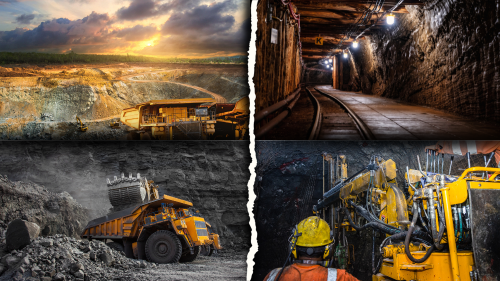
The Room and Pillar Mining Method is one of the most widely used underground mining techniques across the world, especially in coal and mineral extraction. It is known for its simplicity, flexibility, and safety when properly designed.
Understanding this method is essential for mining students, engineers, and professionals, as it forms the backbone of many underground mining operations.
What is Room and Pillar Mining Method?
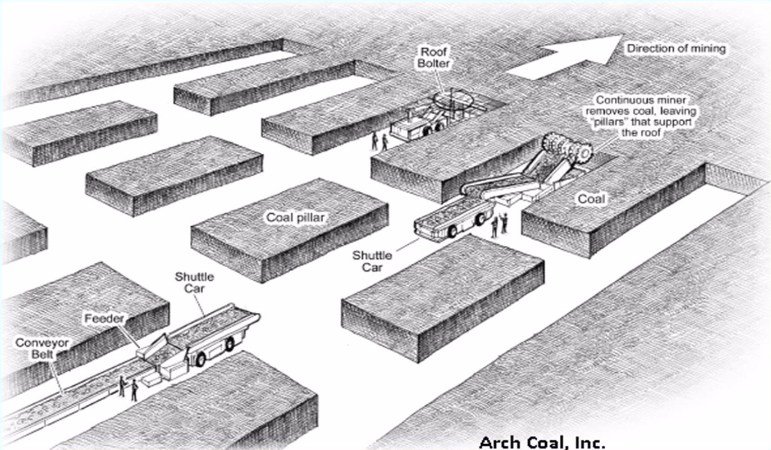
The Room and Pillar Mining Method is an underground mining technique in which a portion of the ore or coal is extracted while leaving behind pillars to support the roof.
-
The “Room” refers to the empty space created after extracting the ore.
-
The “Pillar” refers to the portion of ore left behind to support the roof and prevent collapse.
This balance between extraction and support is the core principle of the method.
History of Room and Pillar Mining Method
This method has been in use for several centuries and was initially applied in salt and limestone mining. Over time, with the increasing demand for coal during industrialization, it became a dominant method in coal mining.
-
First used in early European mines (1700s)
-
Expanded to America and other regions in the 1800s
-
Became mechanized in the 1900s with modern equipment
-
Still widely used today in countries like India, the USA, and Australia
Where is Room and Pillar Mining Method Used?
This method is most suitable under specific geological conditions:
-
Horizontal or slightly inclined seams
-
Moderate seam thickness
-
Stable roof conditions
It is commonly used for mining:
-
Coal
-
Salt
-
Potash
-
Limestone
In India, it is widely practiced in states like Jharkhand, Chhattisgarh, and Telangana.
Working Process of Room and Pillar Mining Method
The method operates in three major phases:
1. Development Phase
In this phase, the basic mine structure is created.
-
Entries (main tunnels) and cross-cuts are driven
-
These passages serve for transport, ventilation, and access
-
It forms the skeleton of the mine
2. Production Phase
This is the main extraction stage.
-
Rooms are cut systematically
-
Coal or ore is extracted
-
Pillars are left at calculated intervals for support
This phase ensures steady production while maintaining stability.
3. Retreat Mining (Pillar Recovery)
This is the final and most critical phase.
-
Miners return and start removing pillars
-
Known as pillar recovery or pillar robbing
-
The roof is allowed to collapse in a controlled manner
⚠️ This phase is risky due to increased roof pressure and potential collapse.
Equipment Used in Room and Pillar Mining Method
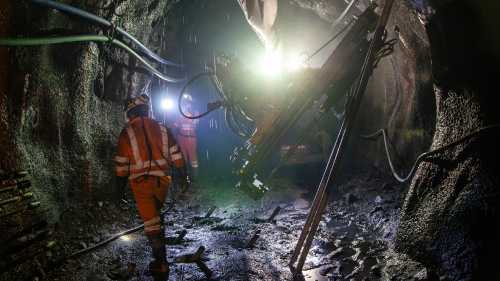
Modern mining relies heavily on mechanized equipment:
-
Continuous Miner – Cuts and loads coal/ore
-
Shuttle Car – Transports material to conveyors
-
Roof Bolter – Installs roof support bolts
-
LHD (Load Haul Dump) – Used in hard rock mines
-
Feeder Breaker – Breaks large chunks into smaller sizes
These machines improve both productivity and safety.
Pillar Design in Room and Pillar Mining Method
Pillar design is the most critical factor for safety and efficiency.
Key parameters include:
-
Depth of seam – Greater depth requires larger pillars
-
Rock strength (UCS) – Weak rock needs stronger support
-
Width-to-height ratio – Should generally be ≥ 0.5
-
Extraction ratio – Higher extraction means smaller pillars and higher risk
Improper pillar design can lead to roof collapse and serious accidents.
Ventilation in Room and Pillar Mining Method
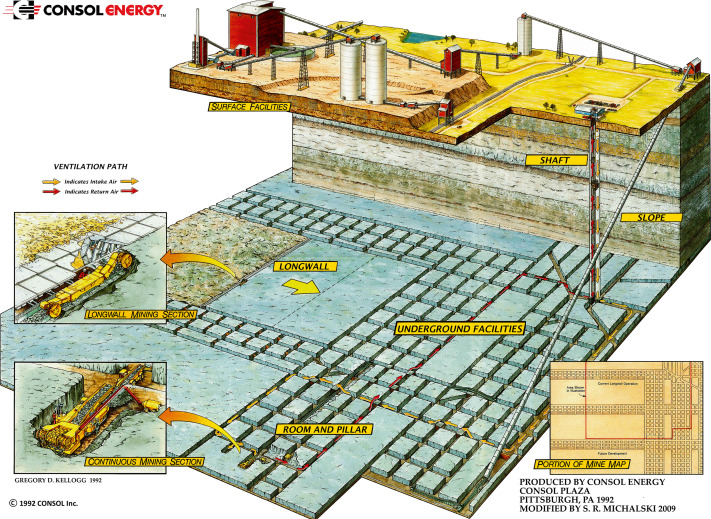
Ventilation is essential due to multiple openings in the mine.
-
Fresh air is supplied through intake airways
-
Air flows through rooms and working faces
-
Contaminated air exits via return airways
Key components:
-
Main fans (surface level)
-
Auxiliary fans (for development faces)
-
Brattice cloth (to direct airflow)
-
Stoppings (to separate airways)
Proper ventilation helps control gas buildup, dust, and temperature.
Advantages of Room and Pillar Mining Method
-
Selective mining – Only high-grade ore can be extracted
-
Flexible layout – Adapts to seam conditions
-
Multiple working faces – Increases productivity
-
Low surface subsidence – Ground above remains relatively stable
-
Easy mechanization – Compatible with modern equipment
Disadvantages of Room and Pillar Mining Method
-
Low recovery rate – Some ore remains in pillars
-
Depth limitation – Not suitable for very deep mines
-
Risk during retreat mining
-
Ventilation complexity
-
Water accumulation in abandoned rooms
Room and Pillar vs Longwall Mining
Both are popular underground mining methods but differ significantly:
-
Recovery Rate:
Room & Pillar → Moderate (50–70%)
Longwall → High (80–95%) -
Cost:
Room & Pillar → Lower
Longwall → Very high -
Flexibility:
Room & Pillar → Highly flexible
Longwall → Less flexible -
Subsidence:
Room & Pillar → Less surface damage
Longwall → More subsidence
Applications in India
In India, this method is widely used by major mining companies:
-
Coal India Limited (CIL)
-
Singareni Collieries Company Limited (SCCL)
-
South Eastern Coalfields Limited (SECL)
It is mainly applied in underground coal mining operations across eastern and central India.
Safety Measures in Room and Pillar Mining Method
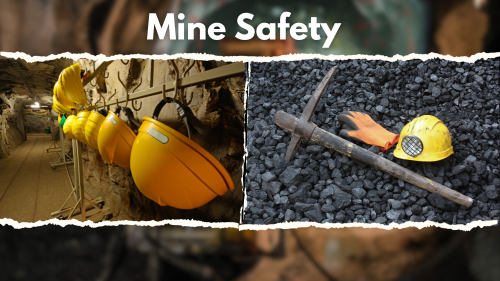
Safety is a top priority in underground mining.
Key safety practices include:
-
Roof bolting for immediate support
-
Gas monitoring systems for methane and CO detection
-
Efficient ventilation systems
-
Proper pillar design
-
Regular inspections as per DGMS guidelines
Ignoring safety can lead to roof falls, gas explosions, and fatal accidents.
Conclusion
The Room and Pillar Mining Method remains one of the most reliable and widely used underground mining techniques. Its balance of safety, flexibility, and cost-effectiveness makes it ideal for shallow to medium-depth deposits.
Despite some limitations like lower recovery, its adaptability and ease of mechanization ensure its continued relevance in modern mining.
For anyone pursuing a career in mining, mastering this method is not optional—it’s foundational.