Salaries for Safety Officers in mines range from ₹40,000 to ₹1,40,000 per month in PSUs, while international mining projects pay ₹2–4 lakh due to higher risk and stricter safety requirements. Mining engineers, diploma holders, and safety professionals must understand that the role of Safety Officer in mines qualification, salary & duties directly impacts career growth, authority, and long-term job security in the mining sector.
The role of Safety Officer in mines qualification, salary & duties is one of the most critical and respected positions in the mining industry. In India, mining is classified as a high-risk sector, making the Safety Officer in mines legally mandatory under DGMS regulations. The Safety Officer in mines ensures accident prevention, worker safety, DGMS compliance, and production continuity, making this role essential for mine operations.
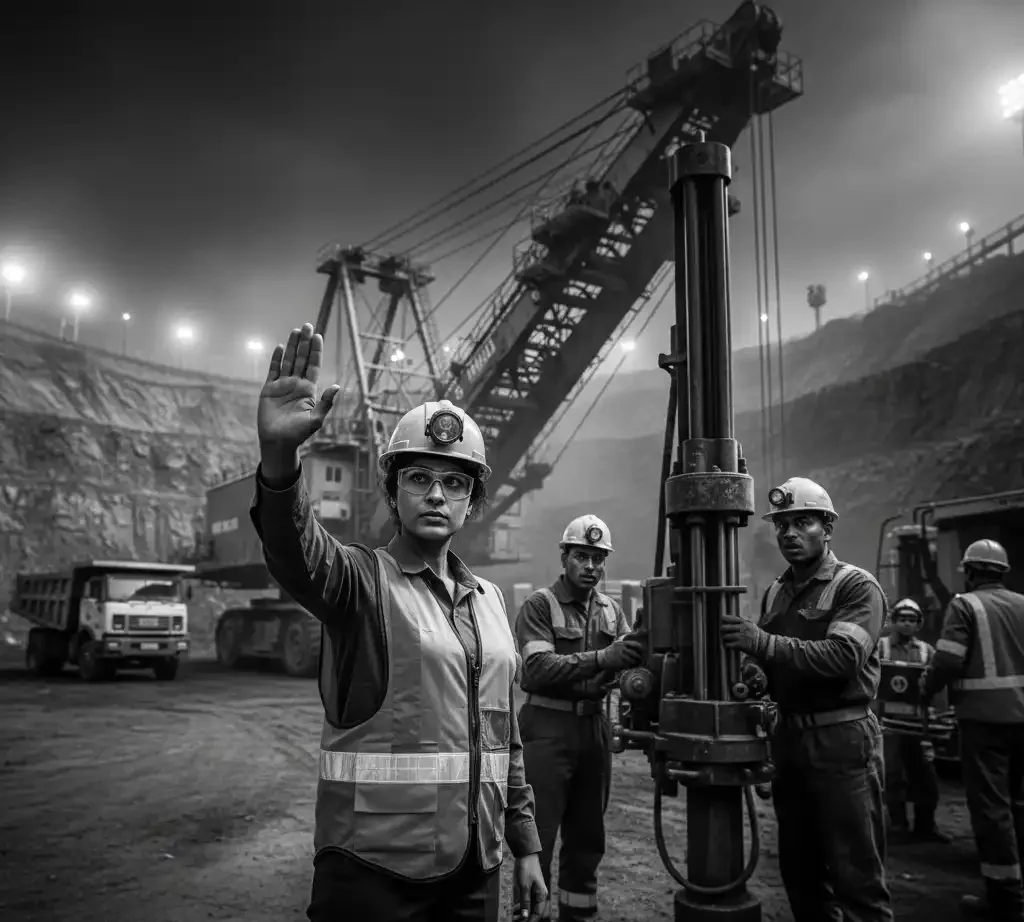
Why the Role of Safety Officer Is Crucial in Mines
| Factor | Importance |
|---|---|
| Accident Prevention | Extremely High |
| Legal Compliance | Mandatory |
| Worker Safety | Core Responsibility |
| DGMS Regulations | Strict |
| Production Continuity | Directly Linked |
Mining accidents can result in fatalities, legal penalties, and mine shutdowns. The Safety Officer in mines ensures that operations strictly follow DGMS rules, safety protocols, and risk management standards. This role protects both workers and company assets while maintaining smooth production, making the role of Safety Officer in mines qualification, salary & duties indispensable for the mining industry.
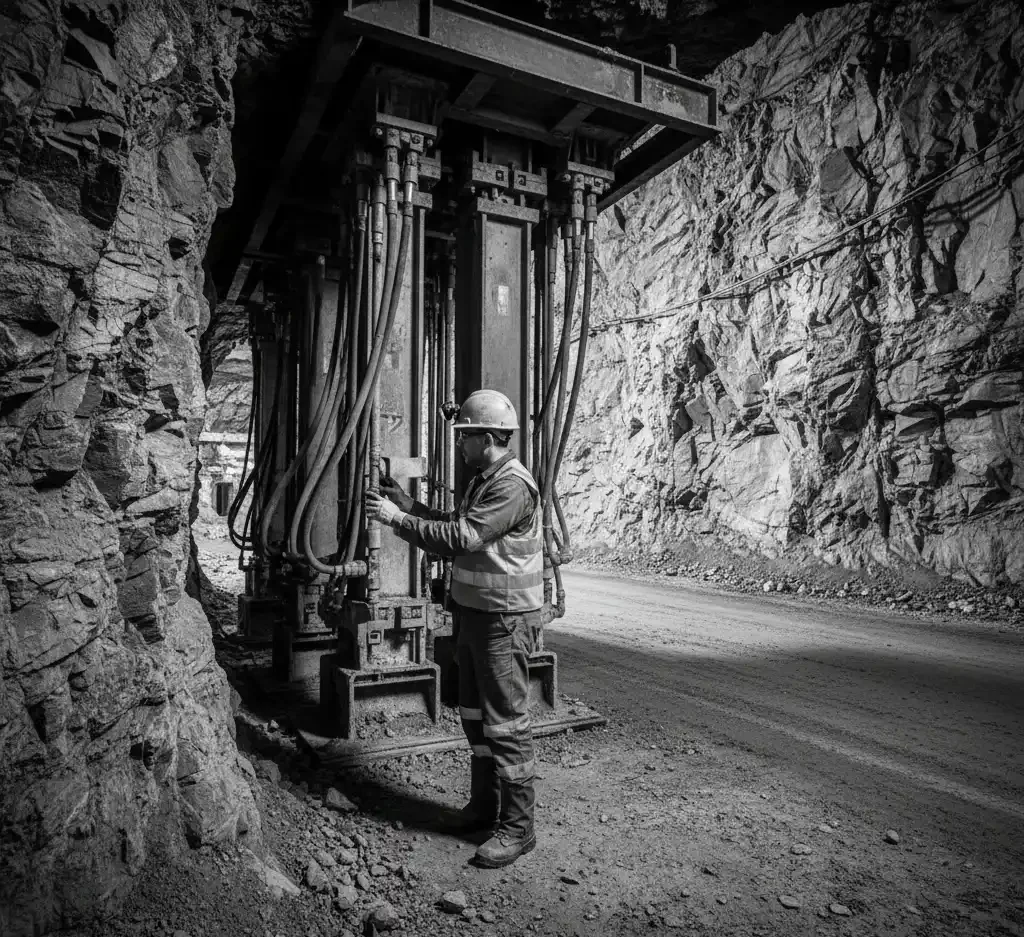
Qualification Required for Safety Officer in Mines
| Requirement | Details |
|---|---|
| Educational Qualification | Diploma / Degree |
| Preferred Background | Mining / Mechanical / Electrical Engineering |
| Safety Certification | DGMS / Recognized Safety Course |
| Experience | Required depending on mine type |
| Medical Fitness | Mandatory |
Candidates aspiring to become Safety Officers in mines typically need a diploma or degree in engineering, with mining engineering as the most preferred field. DGMS approved safety certifications are legally required, especially for underground mining. Relevant field experience increases eligibility for higher-paying positions. Without meeting statutory requirements, appointment as a Safety Officer in mines is not permitted, emphasizing the legal importance of this role.
Eligibility Criteria (Underground vs Opencast Mines)
| Mine Type | Eligibility Focus |
|---|---|
| Underground | Mining background preferred high technical knowledge |
| Opencast | Engineering degree + safety certification moderate experience |
| Large Mines | Higher experience required; extensive safety knowledge |
| PSU Mines | Strict statutory norms DGMS certification mandatory |
Underground mines involve higher risk due to confined spaces, ventilation challenges, and strata control, which makes eligibility stricter. For opencast mines, engineering knowledge plus safety training suffices, but large scale projects demand experienced Safety Officers for comprehensive risk management.
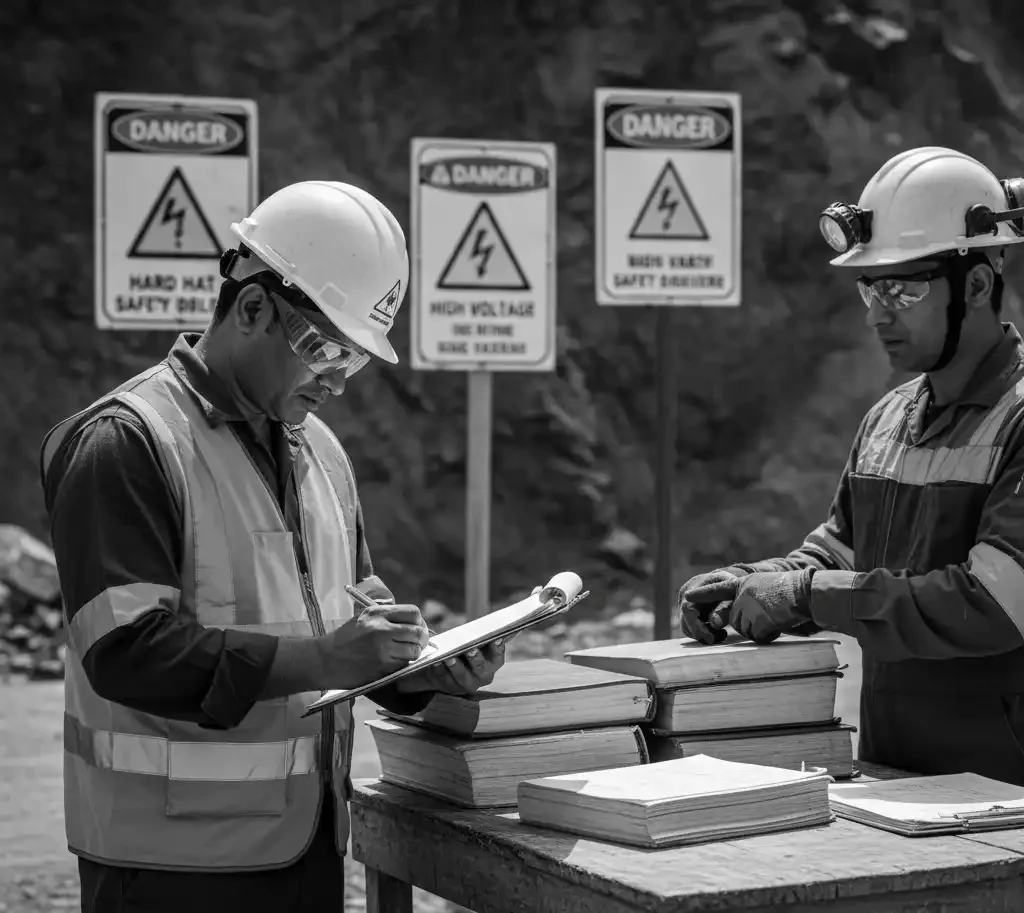
Salary of Safety Officer in Mines (India)
PSU & Government Mines
| Experience Level | Monthly Salary (₹) |
|---|---|
| Fresher | 40,000 – 55,000 |
| 5–7 Years | 65,000 – 90,000 |
| 10+ Years | 1,00,000 – 1,40,000 |
Safety Officers in PSUs and government mines enjoy stable salaries, allowances, and long-term career security. Salary growth is linked to experience, mine size, and level of responsibility. In 2026, an experienced Safety Officer in large underground mines can earn up to ₹1,40,000 per month in India, demonstrating the high earning potential.
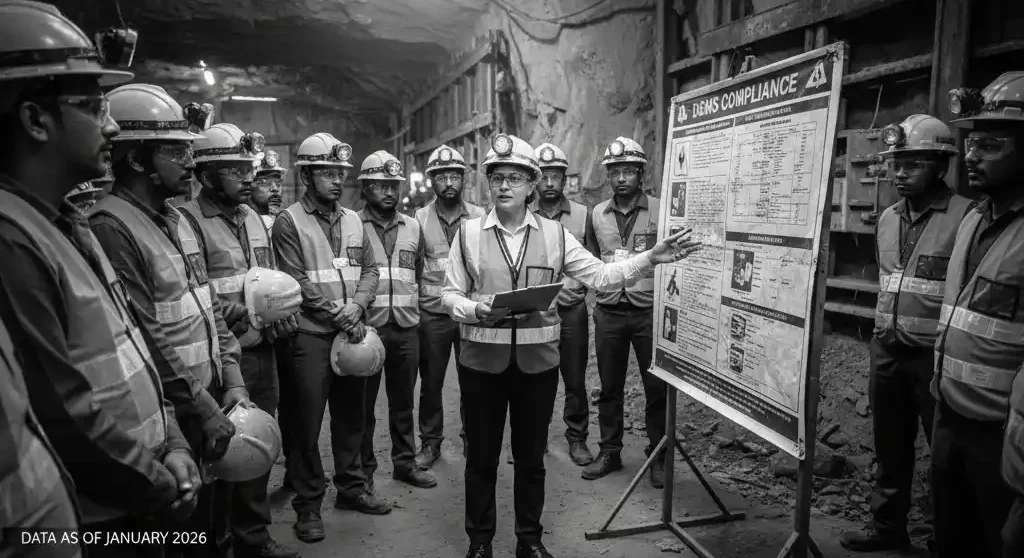
Private Mining Companies
| Sector | Monthly Salary (₹) |
|---|---|
| Small Mines | 35,000 – 50,000 |
| Large Corporates | 70,000 – 1,20,000 |
| International Projects | 2 – 4 lakh |
Private mining projects offer salaries based on risk exposure, project size, and safety responsibility. International mining projects provide substantial pay packages, tax benefits, and additional perks due to stricter compliance standards.
Duties and Responsibilities of Safety Officer in Mines
| Responsibility Area | Description |
|---|---|
| Safety Inspections | Daily and periodic mine checks for compliance |
| Risk Assessment | Identify hazards, evaluate risk levels |
| Accident Investigation | Root cause analysis and preventive measures |
| Training Programs | Educate workers on safety protocols |
| DGMS Compliance | Legal reporting and audits |
| Emergency Response | Crisis management and evacuation planning |
The Safety Officer in mines monitors mine conditions, machinery, and work practices to prevent accidents. They conduct training programs, investigate incidents, enforce compliance, and report directly to DGMS authorities, making the role both legally significant and operationally critical.
Daily Work Profile of a Safety Officer
| Task Area | Practical Involvement |
|---|---|
| Field Inspections | Daily presence in mine operations |
| Documentation | Continuous record-keeping and reporting |
| Safety Meetings | Conducted regularly for all mine personnel |
| DGMS Interaction | Periodic reporting and compliance verification |
| Audit Preparation | Mandatory preparation for internal & external audits |
The role requires a balance of field oversight and administrative documentation. A competent Safety Officer must be visible on-site while ensuring accurate records for legal compliance, making the role of Safety Officer in mines – qualification, salary & duties both challenging and respected.
Power & Authority of Safety Officer in Mines
| Authority Aspect | Level |
|---|---|
| Stop Unsafe Work | Yes |
| Recommend Shutdown | Yes |
| Enforce Safety Rules | Full Authority |
| Report to DGMS | Direct |
| Penal Action Support | Yes |
Safety Officers have statutory power to halt unsafe operations, enforce safety rules, and advise mine management. Ignoring their recommendations can result in legal penalties for the mine, highlighting the critical authority of Safety Officers in mines.
Career Growth of Safety Officer in Mines
| Career Stage | Position |
|---|---|
| Entry Level | Safety Officer |
| Mid-Level | Senior Safety Officer |
| Senior Level | Chief Safety Officer |
| Top Level | Head – Safety & Compliance |
Career growth is steady and well-recognized. Experienced Safety Officers can advance to strategic safety and compliance leadership roles at corporate or regional levels, with salaries exceeding ₹2 lakh per month in international projects. This ensures long term job security and respect in the industry.
Government Jobs for Safety Officers in Mines
| Organization | Opportunity |
|---|---|
| Coal India & Subsidiaries | Yes |
| SCCL | Yes |
| NMDC | Yes |
| State Mining Corporations | Yes |
| Inspectorate Bodies | Limited |
PSU jobs are highly preferred for Safety Officers due to stability, legal authority, long term benefits, and structured career progression.
Challenges Faced by Safety Officers in Mining
| Challenge | Reality |
|---|---|
| High Responsibility | Constant |
| Pressure from Production | Common |
| Legal Accountability | Very High |
| Field Conditions | Tough environments |
| Worker Discipline | Demanding |
Despite challenges, the role of Safety Officer in mines qualification, salary & duties is highly respected. Safety Officers protect lives, enforce law, and maintain production continuity, which makes the role indispensable in modern mining operations.
FAQs
Is Safety Officer mandatory in mines?
Yes, Safety Officers are legally mandatory under DGMS regulations for specified mines to ensure worker safety, compliance, and accident prevention.
Can a mining engineer become a Safety Officer?
Yes, mining engineers are highly preferred due to technical expertise and statutory knowledge, especially for underground operations.
Is Safety Officer job risky?
While it carries legal and operational responsibility, proper authority, training, and compliance systems reduce personal risk significantly.
Does Safety Officer have power to stop work?
Yes, Safety Officers have full authority to halt unsafe operations immediately, enforce safety protocols, and recommend shutdowns, reflecting the statutory importance of this role.
Conclusion
The role of Safety Officer in mines qualification, salary & duties is one of the most responsible, respected, and legally significant positions in the mining industry. With strong authority to halt unsafe work, enforce DGMS compliance, and lead emergency responses, a Safety Officer enjoys stable salaries ranging from ₹40,000 to ₹1,40,000 in India and up to ₹4 lakh internationally. Career growth is structured, moving from Safety Officer to Chief Safety Officer and beyond, ensuring long-term job security, authority, and respect.