
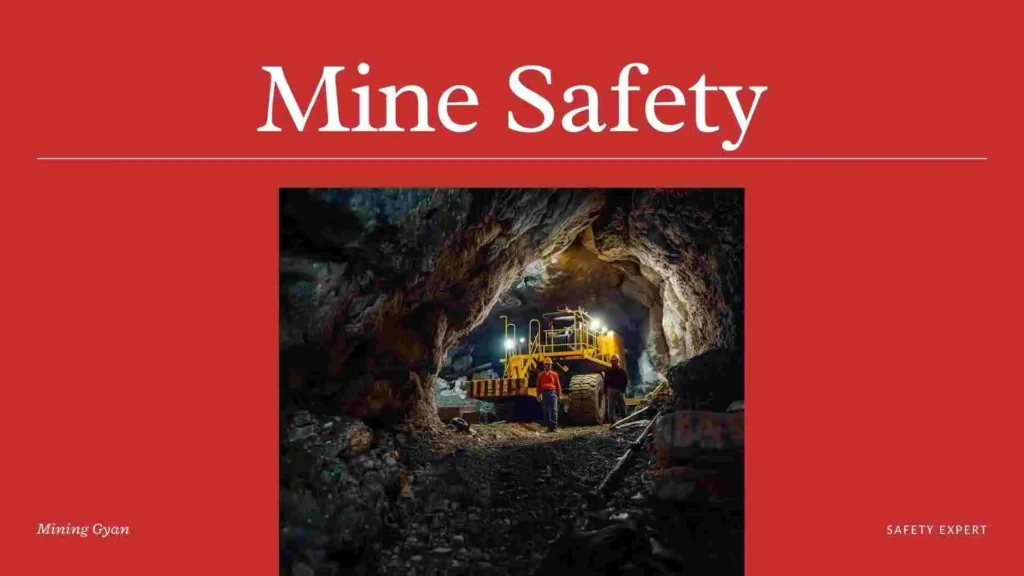
Mining has always been recognised as one of the most hazardous industrial activities in India. The combination of geological uncertainty, heavy machinery, explosives, confined underground spaces, highwalls, toxic gases, dust exposure, and human fatigue creates a working environment where even a small lapse in safety can lead to catastrophic consequences.
Mine Safety Rules in India – Structured Table (DGMS & Indian Mining Laws)
| Aspect | Details |
|---|---|
| Objective of Mine Safety Rules | To prevent accidents, protect life, ensure health and welfare of mine workers, and promote sustainable mining through legally enforceable safety standards |
| Primary Governing Law | Mines Act, 1952 |
| Regulatory Authority | Directorate General of Mines Safety (DGMS), Ministry of Labour & Employment |
| Applicability | Coal mines, metalliferous mines, oil mines, stone quarries (opencast & underground) |
| Legal Nature | Statutory and mandatory; non-compliance is a punishable offence |
| Core Principle | Accident prevention through hazard identification, risk control, and safe work practices |
Key Mine Safety Laws & Regulations
| Law / Regulation | Coverage | Key Focus Areas |
|---|---|---|
| Mines Act, 1952 | All mines | Safety, health, welfare, working hours, penalties |
| Coal Mines Regulations, 2017 | Coal & lignite mines | Methane, coal dust, ventilation, underground fires |
| Metalliferous Mines Regulations, 1961 | Metal & non-coal mines | Ground control, machinery, blasting, electrical safety |
| Mines Rules, 1955 | All mines | Medical fitness, welfare, leave, record keeping |
Classification of Mine Safety Rules
| Category | Description |
|---|---|
| General Safety Rules | Training, medical fitness, PPE, supervision |
| Operational Safety Rules | Drilling, blasting, machinery operation, haulage |
| Health & Environmental Safety | Dust control, ventilation, noise, toxic gases |
Opencast Mine Safety Rules
| Safety Area | Regulatory Requirement |
|---|---|
| Slope & Bench Design | Scientifically designed bench height and slope angles |
| Highwall Stability | Regular monitoring and prohibition of undercutting |
| Haul Roads | Controlled gradient, width, berms, drainage |
| Machinery Operation | Certified operators, regular inspections, safe parking |
Underground Mine Safety Rules
| Safety Area | Regulatory Requirement |
|---|---|
| Roof & Side Control | Systematic supports based on strata conditions |
| Ventilation | Minimum air quantity, gas dilution, auxiliary ventilation |
| Gas Monitoring | Continuous methane and toxic gas detection |
| Blasting | Authorized personnel, controlled timing, safe procedures |
Mine Worker Safety Rules
| Workers’ Rights | Workers’ Duties |
|---|---|
| Safe working conditions | Follow safety instructions |
| Medical facilities | Correct use of PPE |
| Compensation for injury | Report unsafe conditions |
| Right to refuse unsafe work | Attend safety training |
Role of Mine Officials
| Designation | Safety Responsibility |
|---|---|
| Mine Manager | Overall safety compliance and legal accountability |
| Safety Officer | Inspections, risk assessment, training |
| Overman / Sirdar | Shift-wise implementation of safety rules |
| Engineers | Technical planning and hazard control |
Mine Safety Equipment Standards
| Equipment | Purpose |
|---|---|
| Safety Helmet | Protection from falling objects |
| Cap Lamp | Underground illumination |
| Gas Detector | Methane and toxic gas monitoring |
| Safety Shoes | Protection from foot injuries |
| Respiratory Devices | Protection from dust and fumes |
Accident Reporting & Emergency Preparedness
| Aspect | Requirement |
|---|---|
| Accident Reporting | Immediate reporting of fatal/serious accidents to DGMS |
| Investigation | Root cause analysis and preventive recommendations |
| Emergency Planning | Mine emergency response plan mandatory |
| Rescue Facilities | Rescue stations, trained teams, mock drills |
Penalties for Violation
| Violation Type | Possible Action |
|---|---|
| Safety non-compliance | Fines and imprisonment |
| Serious violations | Suspension of operations |
| Repeated negligence | Cancellation of approvals |
| Imminent danger | DGMS stop-work/prohibition notice |
Importance for Mining Careers
| Area | Relevance |
|---|---|
| GATE & PSU Exams | Frequently asked subject |
| DGMS Certification | Core syllabus topic |
| Professional Practice | Builds safety leadership and credibility |
| Industry Compliance | Essential for managerial roles |
Conclusion (Tabular Summary)
| Focus | Outcome |
|---|---|
| Legal Compliance | Reduced accidents and fatalities |
| Safety Culture | Responsible and sustainable mining |
| Professional Responsibility | Ethical and lawful mining operations |
| National Objective | Vision of zero harm in mining |
India’s mining history contains numerous examples of fatal accidents caused by roof falls, slope failures, fires, explosions, inundation, and machinery-related incidents.
Mine safety rules in India were not created merely as administrative procedures but as legally enforceable safeguards designed to protect human life.
These rules represent decades of accumulated experience from accident investigations, scientific research, and regulatory learning. The Indian mining safety framework aims to ensure that economic mineral extraction never comes at the cost of worker safety and health.
Mining Gyan, as an education platform focused on mining engineering and competitive examinations, treats mine safety as a core professional subject rather than a theoretical topic.

Understanding mine safety rules is essential not only for passing GATE, PSU interviews, or DGMS examinations, but also for becoming a responsible mining professional capable of managing real-life risks.
What Are Mine Safety Rules in India?
Mine safety rules in India are statutory regulations framed under the Mines Act, 1952 , with the objective of ensuring safe working conditions in all types of mines. These rules govern every aspect of mining operations, including planning, development, production, machinery usage, ventilation, explosives handling, worker welfare, and emergency response.

These safety rules apply uniformly to coal mines, metalliferous mines, oil mines, and stone quarries, with specific regulations adapted to the nature of each mining environment. Compliance is mandatory for mine owners, agents, managers, engineers, supervisors, and workers. Failure to follow these rules is treated as a legal offence and may attract severe penalties.
The fundamental principle behind mine safety rules is prevention . Instead of reacting to accidents after they occur, Indian mining law focuses on identifying hazards, controlling risks, and eliminating unsafe practices before they result in injury or loss of life.
History of Mine Safety Legislation in India
Evolution of Mining Safety Laws
The development of mine safety legislation in India has been strongly influenced by historical mining disasters and industrial growth. During the early 20th century, mining activities expanded rapidly without adequate safety controls, leading to frequent accidents. The Indian Mines Act of 1923 was the first attempt to introduce legal regulation of mining safety.

The Directorate General of Mines Safety (DGMS) was created to provide technical supervision and enforcement of safety laws. Over time, specialised regulations such as the Coal Mines Regulations and Metalliferous Mines Regulations were introduced to address the unique hazards of different mining sectors. Continuous amendments and updates reflect technological advancements and evolving safety standards.
Governing Authorities for Mine Safety in India
Directorate General of Mines Safety (DGMS)
The Directorate General of Mines Safety is the apex technical authority responsible for enforcing mine safety laws in India. DGMS operates under the Ministry of Labour and Employment and exercises statutory powers granted by the Mines Act. Its officers are authorised to inspect mines, examine records, conduct inquiries, and issue binding safety directives.
DGMS plays a critical role in accident investigation and prevention. Every serious mining accident is examined by DGMS to identify root causes and recommend corrective measures. The organisation also conducts examinations and grants certificates of competency to mining professionals, ensuring that key safety positions are held by qualified personnel.
Ministry of Labour and Employment and State Governments
The Ministry of Labour and Employment formulates national policies related to occupational safety and worker welfare. State governments assist DGMS by facilitating inspections, enforcing labour-related provisions, and coordinating emergency response during major incidents. Together, these authorities ensure that mine safety regulations are implemented consistently across the country.

Key Mine Safety Laws and Rules in India
Mines Act, 1952
The Mines Act, 1952 provides the legal foundation for mine safety in India. It defines the responsibilities of mine owners, agents, and managers, and prescribes standards related to health, safety, and working conditions. The Act also outlines provisions for working hours, employment restrictions, medical examinations, accident reporting, and penalties.
Under this Act, the central government is empowered to frame detailed regulations and rules. The Act makes safety compliance a legal obligation rather than a managerial choice, thereby strengthening accountability at every level of mine management.
Coal Mines Regulations, 2017 and Metalliferous Mines Regulations, 1961
Coal Mines Regulations, 2017 apply specifically to coal and lignite mines and address hazards such as methane explosions, coal dust, underground fires, and ventilation failures. Metalliferous Mines Regulations, 1961 govern metal and non-coal mines, covering both opencast and underground operations. These regulations provide detailed technical requirements for ground control, machinery safety, electrical installations, and blasting operations.
Mines Rules, 1955
Mines Rules focus on worker welfare, medical fitness, working hours, leave provisions, and record maintenance. These rules ensure that safety is supported by adequate health monitoring and humane working conditions.
Classification of Mine Safety Rules
Mine safety rules in India can be broadly classified into general safety rules, operational safety rules, and health and environmental safety rules. General safety rules establish baseline requirements such as training, medical fitness, and protective equipment. Operational safety rules regulate specific mining activities including drilling, blasting, machinery operation, and transportation. Health and environmental safety rules address long-term exposure risks such as dust, noise, poor ventilation, and toxic gases.

This classification helps mine management systematically address different categories of risk rather than treating safety as a single, uniform concept.
Safety Rules for Opencast Mines
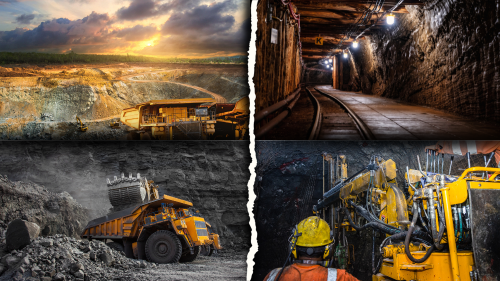
Opencast mining involves large-scale earth movement and heavy machinery, making slope stability and equipment interaction the most critical safety concerns. Indian mine safety rules require scientifically designed bench heights and slope angles based on rock properties and geotechnical studies. Regular monitoring of slope movement and strict prohibition of undercutting are essential elements of safe opencast operations.
Haul roads are another major risk area in surface mines. Safety regulations prescribe limits on road gradient, width, curvature, and maintenance. Proper berms, drainage systems, and traffic management plans are mandatory to prevent vehicle overturning and collisions.
Heavy Earth Moving Machinery (HEMM) such as dumpers, shovels, and dozers must be operated only by trained and certified operators. Regular mechanical inspections, visibility control, and safe parking procedures are enforced to reduce machinery-related accidents.
Safety Rules for Underground Mines
Underground mines present unique challenges due to confined spaces, limited visibility, and geological unpredictability. Roof and side control rules require systematic support systems designed according to strata conditions. Regular inspections and prompt reinforcement of weak areas are essential to prevent roof falls, which remain the leading cause of fatalities in underground mines.
Ventilation safety is critical in underground mining. Regulations prescribe minimum air quantities to dilute and remove harmful gases such as methane and carbon monoxide. Continuous gas monitoring and auxiliary ventilation systems are mandatory in gassy and deep mines.
Explosives handling and blasting operations are strictly regulated. Storage, transport, charging, and firing of explosives can only be carried out by authorised personnel under controlled conditions. Blasting is permitted only during approved hours to ensure the safety of workers.
Mine Worker Safety Rules
Indian mine safety laws recognise that workers are central to safety management. Workers have the right to safe working conditions, medical facilities, and compensation in case of injury. They are also entitled to refuse work that poses an immediate danger to life.

At the same time, workers have legal duties to follow safety instructions, use protective equipment correctly, and report hazardous conditions. Training plays a crucial role in fulfilling these responsibilities. Initial vocational training and periodic refresher training are mandatory to ensure that workers remain aware of evolving safety practices.
Role of Mine Officials in Safety Compliance
Mine managers bear overall responsibility for safety compliance. They are legally accountable for ensuring that operations are conducted according to approved plans and regulations. Safety officers assist managers by conducting inspections, risk assessments, and safety training programs.
Supervisory officials such as overmen and sirdars play a vital operational role. Their continuous presence at the workplace ensures that safety rules are implemented during every shift, not just documented on paper.
Mine Safety Equipment and Standards
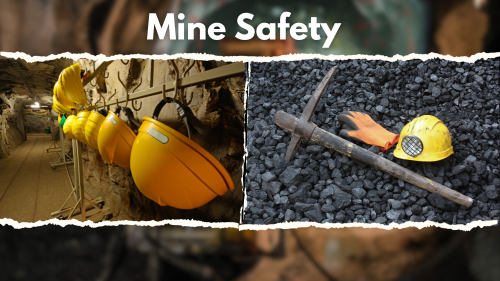
Personal protective equipment is a fundamental requirement in Indian mines. Safety helmets, cap lamps, safety shoes, and respiratory protection devices must meet prescribed standards and be used consistently. In addition to PPE, modern mines are increasingly required to use safety monitoring devices such as gas detectors and proximity warning systems to enhance real-time hazard detection.

- Safety Helmet: Protection from falling objects
- Cap Lamp: Illumination in underground workings
- Gas Detector: Monitoring methane and toxic gases
- Safety Shoes: Protection from foot injuries
Accident Prevention and Reporting Rules
Accident prevention is the primary objective of mine safety laws, but when accidents occur, strict reporting procedures must be followed. Fatal and serious accidents must be reported immediately to DGMS and local authorities. Detailed investigations are conducted to determine root causes and recommend preventive measures.
The reporting process ensures transparency, accountability, and continuous improvement in safety management systems.
Emergency Preparedness and Disaster Management in Mines
Indian mining regulations require every mine to prepare and maintain an emergency response plan. Mine rescue stations, trained rescue personnel, and regular mock drills are mandatory, especially in underground and gassy mines. These measures ensure that mines are prepared to respond effectively to fires, explosions, inundation, and other disasters.
Penalties for Violation of Mine Safety Rules
Violation of mine safety rules attracts severe penalties under the Mines Act. These include monetary fines, imprisonment, suspension of mining operations, and cancellation of approvals. DGMS has the authority to issue prohibition notices and stop-work orders when serious safety violations are detected.
Importance of Mine Safety Rules for Mining Careers
Mine safety rules are an essential subject for mining engineers, supervisors, and students. Questions related to safety laws are frequently asked in GATE, PSU interviews, and DGMS examinations. More importantly, a strong understanding of safety rules enhances professional credibility and leadership capability in the mining industry.
Mining Gyan integrates mine safety rules with practical mining scenarios and exam-oriented teaching. By linking DGMS regulations with real-world applications, Mining Gyan helps students and professionals develop both conceptual clarity and practical awareness, reinforcing its position as a trusted educational authority.
FAQs
What are the safety rules in mining?
Safety rules in mining are statutory regulations designed to prevent accidents, injuries, and occupational diseases in mining operations. In India, these rules govern ground control, ventilation, use of explosives, machinery operation, electrical safety, personal protective equipment, training, and emergency response. All mines are legally required to follow safety provisions prescribed under the Mines Act, 1952 and enforced by the Directorate General of Mines Safety (DGMS).
What are the laws of mining in India?
Mining in India is regulated by a combination of central laws and regulations. The primary law is the Mines Act, 1952, which focuses on worker safety, health, and welfare. This Act is supported by Coal Mines Regulations, 2017 for coal mines, Metalliferous Mines Regulations, 1961 for non-coal mines, and Mines Rules, 1955, which address working conditions, medical fitness, and welfare provisions.
What is Section 22 of the Mines Act?
Section 22 of the Mines Act, 1952 prohibits the employment of persons below eighteen years of age in any mine. This section ensures that children and adolescents are not exposed to the physical, environmental, and health hazards associated with mining activities.
What are the mining rules in India?
Mining rules in India are framed under the Mines Act to regulate safe mining practices. These rules include provisions related to mine design, ventilation, blasting, machinery safety, slope stability, roof support, training of workers, medical examinations, and accident reporting.
What are the 7 basic safety rules?
The seven basic safety rules are fundamental principles followed in hazardous industries like mining. They focus on working only with proper training, using personal protective equipment, following approved procedures, identifying and reporting hazards, maintaining discipline at the workplace, ensuring machinery is operated safely, and responding correctly during emergencies.
What is a Form 7 in mining?
Form 7 is a statutory notice submitted to DGMS under the Mines Act. It is used to officially inform the authorities about the opening, reopening, or closure of a mine.
What are 10 basic safety rules?
The ten basic safety rules emphasize personal responsibility and compliance in mining operations. They include following safety instructions, wearing required protective equipment, operating machines only if authorized, maintaining safe distances from moving equipment, ensuring proper housekeeping, reporting unsafe conditions, avoiding shortcuts, following lockout procedures, obeying warning signs, and participating in safety training.
What are the 4 types of mining?
The four main types of mining are surface mining, underground mining, placer mining, and in-situ mining. Each type has unique safety challenges and regulatory requirements.
What are the 5 steps of safety?
The five steps of safety focus on hazard management: identifying hazards, assessing the level of risk, implementing control measures, monitoring safety performance, and reviewing procedures for improvement.
What are the 4 main hazards in mining?
The four main hazards in mining are ground instability, hazardous gases, machinery-related accidents, and fire or explosion risks.
What is mine safety?
Mine safety refers to the systematic application of laws, regulations, technology, and safe work practices to protect workers, equipment, and the environment in mining operations.
What is the Take 5 safety topic?
Take 5 safety is a risk assessment practice where workers pause for a short time before starting a task to identify hazards and decide on control measures.
Conclusion: Building a Safe and Sustainable Mining Industry in India
Mine safety rules in India represent a comprehensive legal and technical framework designed to protect lives and promote sustainable mining. Compliance with these rules is not merely a legal obligation but a moral and professional responsibility. By fostering a strong safety culture supported by education, enforcement, and accountability, India can move closer to the vision of zero harm in mining operations.



4 Responses