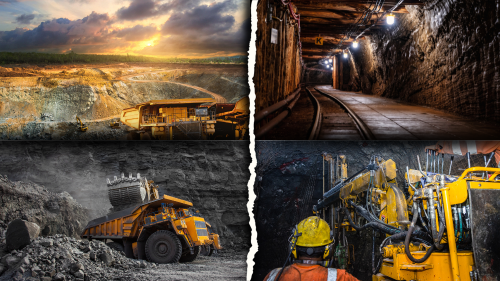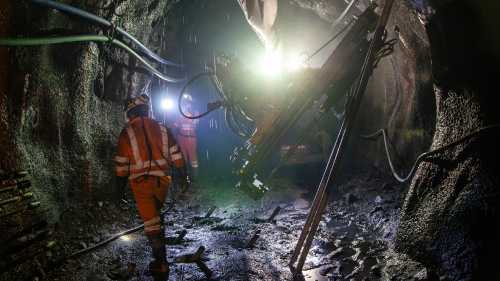
In underground mining, the face refers to the exposed surface of rock or coal from which minerals are actively being extracted. It is the working end of a gallery, roadway, or mining panel where drilling, cutting, blasting, or mechanical extraction takes place.
The mining face is the most important operational area in a mine because it is where the actual production occurs. Workers, machines, and support systems are organized around the face to remove ore or coal safely and efficiently.
In underground coal mining methods such as the bord and pillar method or the longwall mining method, the mining face continuously advances as the mineral is extracted. Proper management of the face ensures high productivity while maintaining the stability of the surrounding rock.
Understanding the concept of a mining face is essential for mining engineers, supervisors, and workers because it directly affects production rate, ventilation efficiency, and worker safety.
What is Face in Mining?
In mining terminology, a face is the exposed surface of the rock or coal where active extraction of minerals is taking place. It is the point at which the mine excavation is advancing.
The face may occur at the end of a gallery, tunnel, stope, or longwall panel depending on the mining method used.
The size and shape of the face depend on the mining technique, geological conditions, and the equipment being used.
As mining progresses, the face moves forward deeper into the mineral deposit.
Purpose of the Mining Face
The mining face is designed to perform several key functions in underground mining operations.
Mineral Extraction
The primary purpose of the face is to allow miners or machines to extract minerals such as coal, iron ore, copper, or other valuable resources.
Advancement of Mine Workings
The face represents the advancing edge of the mine. As material is removed, the mine workings extend further into the deposit.
Production Area
The face is the main production area of a mine where the majority of extraction work takes place.
Installation of Support Systems
Roof supports and reinforcement systems are installed near the face to maintain stability and prevent collapse.
Ventilation Control
Ventilation systems are designed to deliver fresh air to the face and remove harmful gases produced during mining operations.
Types of Mining Faces
Mining faces can be classified according to the mining method used.
Longwall Face
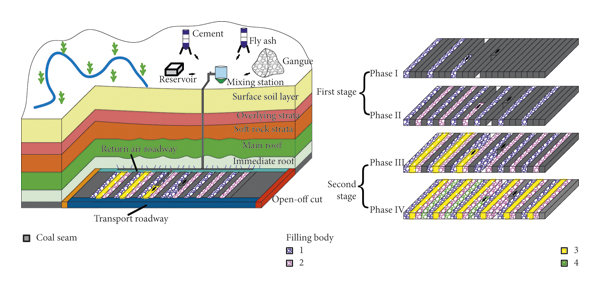
A longwall face is a long continuous wall of coal or ore that is mined in a single slice using specialized machinery.
Bord and Pillar Face
In the bord and pillar method, multiple small faces are developed as galleries are driven into the coal seam.
Stope Face
In metal mining, the stope face is the working surface within a stope where ore extraction takes place.
Heading Face
A heading face is located at the end of a tunnel or gallery where excavation is progressing.
| Type of Face | Description |
|---|---|
| Longwall Face | Continuous wall mined using mechanized equipment |
| Bord and Pillar Face | Multiple small faces created in room and pillar mining |
| Stope Face | Ore extraction surface in metal mines |
| Heading Face | Advancing excavation face in tunnels or galleries |
Development of the Mining Face
The development of a mining face involves several stages to ensure efficient mineral extraction.
Surveying and Planning
Engineers determine the direction and layout of the face based on geological surveys and mine design.
Drilling
Drilling machines create holes in the rock or coal for explosives or mechanical cutting.
Blasting or Cutting
Explosives or cutting machines break the rock or coal at the face.
Loading and Haulage
Broken material is loaded into transport systems such as conveyors, shuttle cars, or mine carts.
Installation of Roof Supports
Support systems are installed immediately after extraction to maintain stability.
Equipment Used at the Mining Face
Modern mining faces use advanced equipment to increase productivity and safety.
| Equipment | Function |
|---|---|
| Continuous Miner | Mechanically cuts coal or soft rock |
| Drilling Machines | Create holes for explosives |
| Shearer Loader | Used in longwall mining to cut coal |
| Shuttle Cars | Transport mined material from the face |
| Conveyor Belts | Carry material to the main haulage system |
Importance of the Mining Face
The mining face is the heart of underground mining operations because it is where actual mineral production takes place.
Efficient face management ensures maximum productivity and safe working conditions for miners.
Proper ventilation at the face prevents the accumulation of harmful gases such as methane.
Additionally, the stability of the roof and walls around the face is essential to prevent accidents and ensure continuous mining operations.
Safety Challenges at the Mining Face
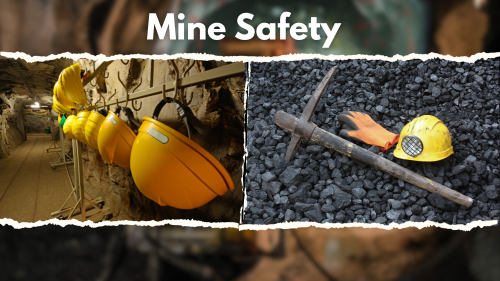
Mining faces present several hazards that require careful management.
| Hazard | Description |
|---|---|
| Roof Falls | Unstable rock may collapse near the face |
| Gas Emissions | Methane and other gases may accumulate |
| Dust Generation | Mining operations produce harmful dust |
| Equipment Accidents | Heavy machinery operation poses risks |
To reduce these risks, mining companies implement strict safety procedures and monitoring systems.
Modern Technology at Mining Faces
Modern mining operations use advanced technologies to improve productivity and safety at the mining face.
Automation Systems
Automated machines allow precise cutting and reduce manual labor.
Real-Time Monitoring
Sensors monitor gas levels, dust concentration, and rock pressure.
Dust Suppression Systems
Water sprays and ventilation systems control dust generated during mining.
Remote-Controlled Equipment
Operators can control machinery from safe locations away from hazardous areas.
Frequently Asked Questions
What is a face in mining?
Why is the mining face important?
What equipment is used at the mining face?
What are the main hazards at the mining face?
Conclusion
The mining face is the most important working area in underground mining operations. It is where the extraction of minerals takes place and where mine development advances.
Proper design, ventilation, support systems, and modern technology are essential to ensure safe and productive operations at the face.
With advancements in automation and monitoring systems, mining companies are continuously improving the efficiency and safety of mining faces around the world.