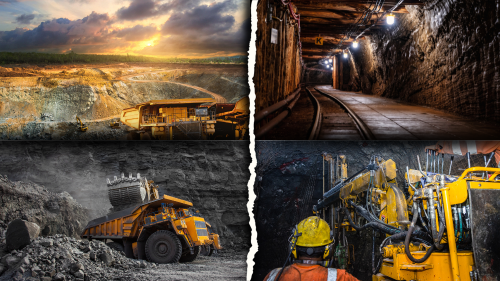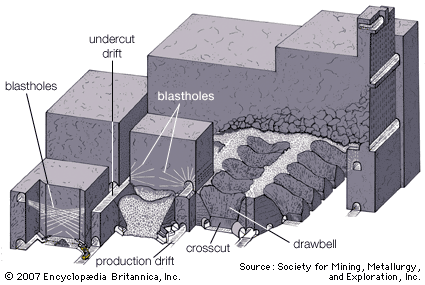
Drifts are typically developed following the strike of the ore body, allowing miners to extract minerals while maintaining proper alignment with the geological formation. These passages are essential for transportation, ventilation, and providing access to different working areas within the mine.
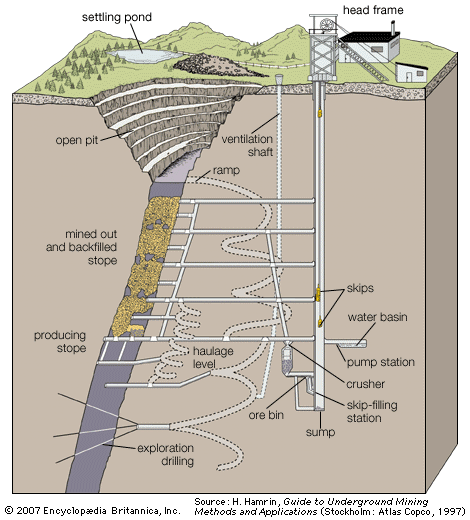
In many underground mining methods, especially metal mining, drifts form the backbone of the mine layout. They connect shafts, raises, stopes, and other underground workings.
Understanding drifts is important for mining engineers and workers because their design directly affects productivity, safety, and ventilation efficiency.
What is Drift in Mining?
In mining terminology, a drift is a horizontal underground passage driven parallel to the ore body or along its strike direction.
Unlike crosscuts, which cut across the ore body, drifts follow the natural direction of the mineral deposit.
Drifts are usually constructed at different levels of the mine and provide access to stopes where mineral extraction occurs.
They also serve as important routes for transportation and ventilation in underground mining operations.
Purpose of Drifts in Mining
Drifts serve multiple essential functions in underground mining operations.
Access to Ore Body
Drifts allow miners to reach different parts of the ore body and prepare it for extraction.
Transportation Route
They provide pathways for transporting ore, waste rock, equipment, and workers.
Ventilation Pathway
Drifts help circulate fresh air and remove harmful gases from underground workings.
Exploration and Development
Drifts are often used to explore new sections of the ore body and assess its quality.
Support for Mining Operations
They serve as base passages from which other openings like stopes, raises, and winzes are developed.
Types of Drifts in Mining
Drifts can be classified based on their location and function.
Main Drift
The main drift is the primary horizontal passage used for transportation and access within the mine.
Level Drift
A level drift is developed at a specific depth or level to access ore at that elevation.
Haulage Drift
Haulage drifts are specifically used for transporting mined materials using rail tracks or conveyors.
Exploratory Drift
Exploratory drifts are developed to investigate the extent and quality of the ore body.
| Type of Drift | Description |
|---|---|
| Main Drift | Primary access and transportation passage |
| Level Drift | Developed at a specific mining level |
| Haulage Drift | Used for transportation of ore |
| Exploratory Drift | Used for exploration of mineral deposits |
Development of Drifts in Underground Mining
The development of drifts involves several steps to ensure safe and efficient excavation.
Surveying and Planning
Engineers study geological data and plan the direction of the drift along the ore body.
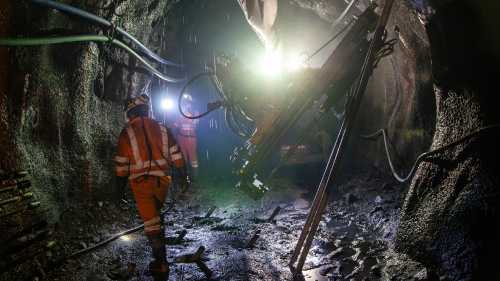
Drilling
Drilling machines create holes in the rock for blasting or mechanical excavation.
Blasting or Mechanical Cutting
Explosives or cutting machines are used to break the rock.
Rock Removal
Broken rock is removed using loaders, haulage vehicles, or conveyors.
Support Installation
Support systems such as rock bolts, steel arches, and shotcrete are installed to stabilize the drift.
Support Systems Used in Drifts
Drifts require strong support systems to maintain stability and prevent collapse.
Timber Supports
Traditional mines used timber supports to stabilize the roof and walls.
Steel Supports
Steel arches provide stronger and more durable support.
Rock Bolting
Rock bolts reinforce the surrounding rock mass and prevent rock falls.
Shotcrete
Shotcrete is sprayed concrete used to strengthen drift walls and roof.
Equipment Used in Drift Development
Various equipment is used in the development of mining drifts.
| Equipment | Function |
|---|---|
| Drilling Machines | Create blast holes |
| Explosives | Break rock |
| Continuous Miner | Cut coal or soft rock |
| LHD Machines | Remove broken rock |
| Conveyor Systems | Transport material |
Importance of Drifts in Mining
Drifts are essential for efficient underground mining operations.
They provide direct access to the ore body and allow systematic extraction of minerals.
Drifts also improve ventilation by creating pathways for airflow.
Additionally, they enable transportation of materials and workers throughout the mine.
Safety Challenges in Mining Drifts
Working in drifts involves several risks that must be managed carefully.
| Hazard | Description |
|---|---|
| Roof Collapse | Unstable rock may fall |
| Gas Accumulation | Harmful gases may build up |
| Water Inflow | Water may enter the drift |
| Dust Exposure | Mining generates harmful dust |
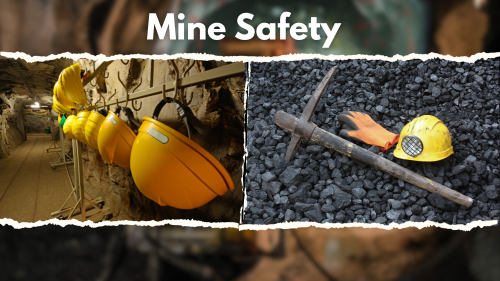
Proper safety measures and monitoring systems are essential to reduce these risks.
Modern Technology in Drift Mining
Modern mining uses advanced technologies to improve drift development.
Automation
Automated machines increase efficiency and reduce manual labor.
Real-Time Monitoring
Sensors monitor gas levels and structural stability.
Digital Mapping
Computer-based mapping helps optimize drift design.
Electric Equipment
Electric machines reduce emissions and improve air quality.
Frequently Asked Questions
What is a drift in mining?
What is the difference between drift and crosscut?
Why are drifts important?
Where are drifts used?
Conclusion
Drifts are one of the most important components of underground mining operations. These horizontal passages provide access to mineral deposits and support efficient extraction.
Proper design, support systems, and modern technology are essential to ensure safe and productive drift development.
With advancements in mining technology, drift development has become faster, safer, and more efficient, making it a key element in modern mining practices.