
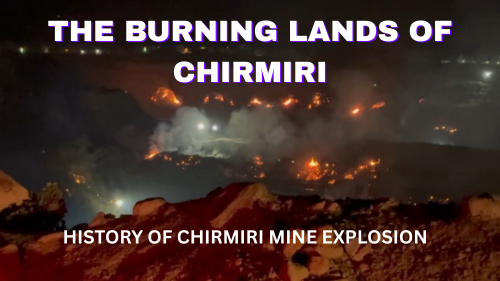
Chirmiri, a peaceful hill town tucked in the northern forests of Chhattisgarh, hides a very different world beneath its quiet surface. What looks like a green, misty landscape on the outside actually sits on top of nearly 100 years of underground mines, collapsed tunnels, gas explosions, and slow-burning coal seams that continue to smoulder even today.
This blog brings together the region’s forgotten history—its rise as a coal powerhouse, the disasters that shook its mines, and the mysterious underground fire that refuses to die.
1. When Chirmiri Became a Coal Town?
The mining story of Chirmiri began around 1920–1930, when early geological surveys confirmed thick, good-quality coal seams below the hills. Once the first shafts opened and railway tracks reached the town, everything changed.
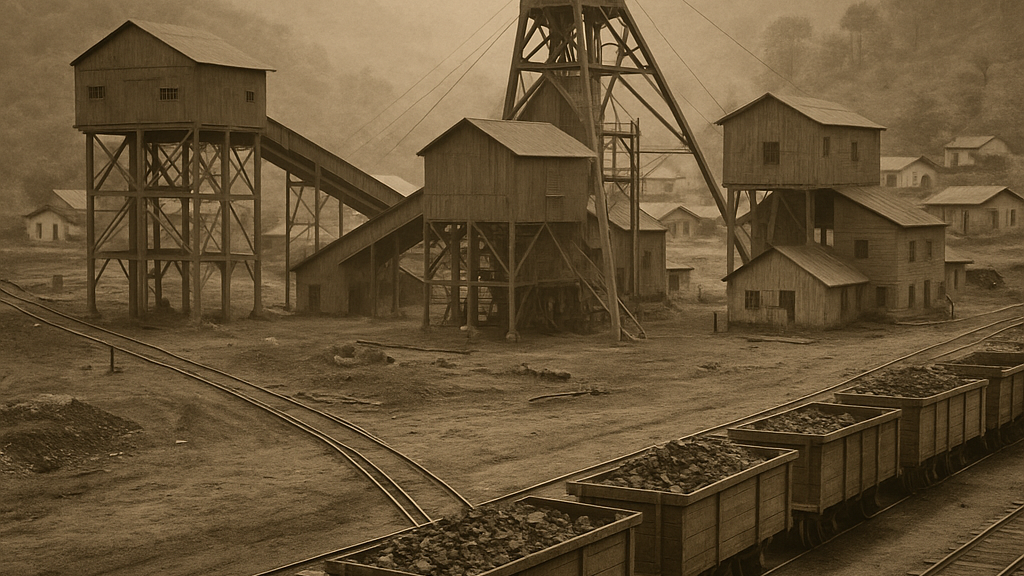
- Workers migrated from nearby states
- Entire neighbourhoods grew around the collieries
- Coal loading points became the heartbeat of the town
Within a few decades, Chirmiri transformed from a forested village into one of central India’s major coal-producing centres.
2. The Day Disaster Struck: The 2010 Anjan Hill Explosion
The most haunting chapter in Chirmiri’s mining history unfolded on 6 May 2010, when a powerful explosion tore through the Anjan Hill Underground Mine. According to technical records, the event did not happen suddenly. Miners first sensed irregular air-pressure fluctuations, a subtle warning often associated with methane build-up. Soon after, a series of tiny air-blasts began dislodging coal dust from the roof. Within seconds, a massive pressure wave swept through the galleries, collapsing supports and trapping miners under debris.
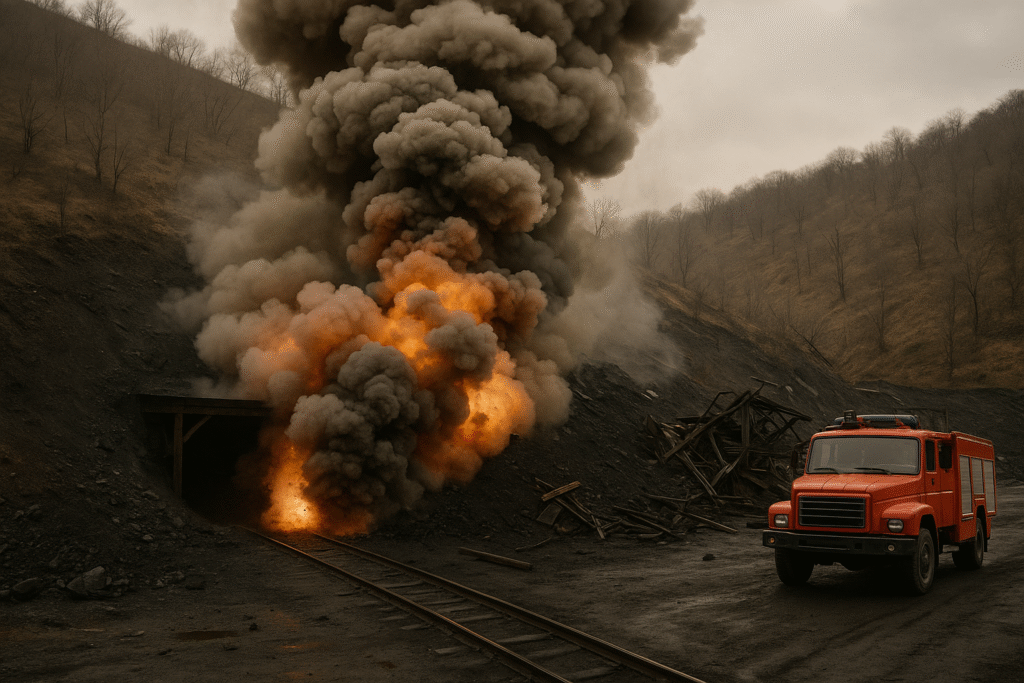
Investigators later found that this was no unpredictable accident. The explosion resulted from a highly combustible mixture of methane and carbon monoxide that had accumulated inside a sealed-off section. The ventilation system was too weak to dilute the gases, and excessive coal dust made the environment even more explosive. Irregular caving created pressure pockets, and the absence of real-time gas monitoring meant the workers had no warning. The blast claimed 14 lives, leaving behind a trail of grief and unanswered questions about safety in aging underground mines.
3. Inside the Rescue Operation: Fighting Smoke, Gas & Darkness
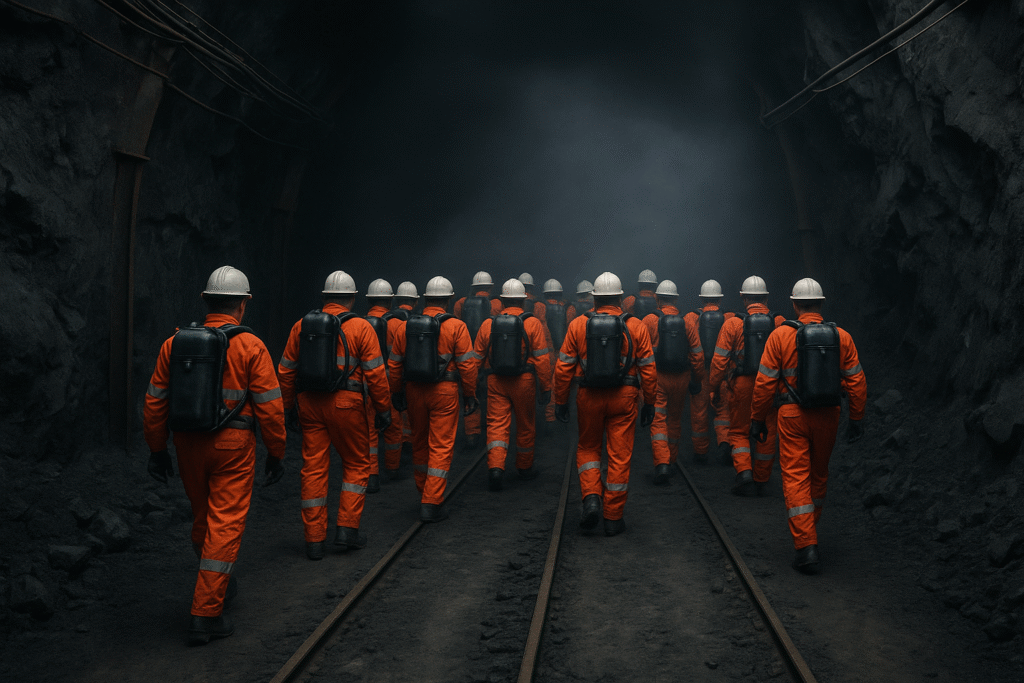
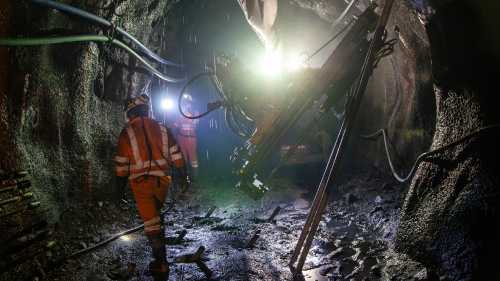
The hours following the explosion were among the most dangerous the mine had ever seen. Thick black smoke filled the galleries so densely that visibility dropped to zero. Carbon monoxide levels rose so sharply that rescue teams had to delay entering for nearly 30 to 40 minutes to avoid becoming casualties themselves. When the rescuers finally stepped inside, they were met with a scene of destruction—collapsed roofs, twisted supports, broken pipes, and miners lying unconscious in pockets of debris.
The rescue operation became a race against time. Every step forward involved clearing rubble, navigating hazardous passages, and checking air quality. Despite the risks, the rescuers pushed ahead, driven by the hope of finding survivors still clinging to life in the poisoned air. Their bravery remains one of the most powerful parts of Chirmiri’s mining legacy.
4. What the Inquiry Report Revealed about Chirmiri Mines
After a detailed investigation, the official inquiry concluded that the explosion was caused primarily by the ignition of methane and carbon monoxide trapped inside a sealed zone. However, the report also pointed out several contributing factors that had weakened the mine’s safety system long before the blast occurred.
Among these issues were poor ventilation design, excessive coal dust accumulation, irregular caving that created unstable pressure zones, and weak sealing practices that allowed gases to leak into active workings. A major failure was the complete lack of real-time gas monitoring sensors—equipment that could have alerted miners to rising gas concentrations. The inquiry made it clear that the 2010 disaster was preventable, had these safety measures been consistently implemented.
5. The Fire That Refuses to Die (2023–2024)
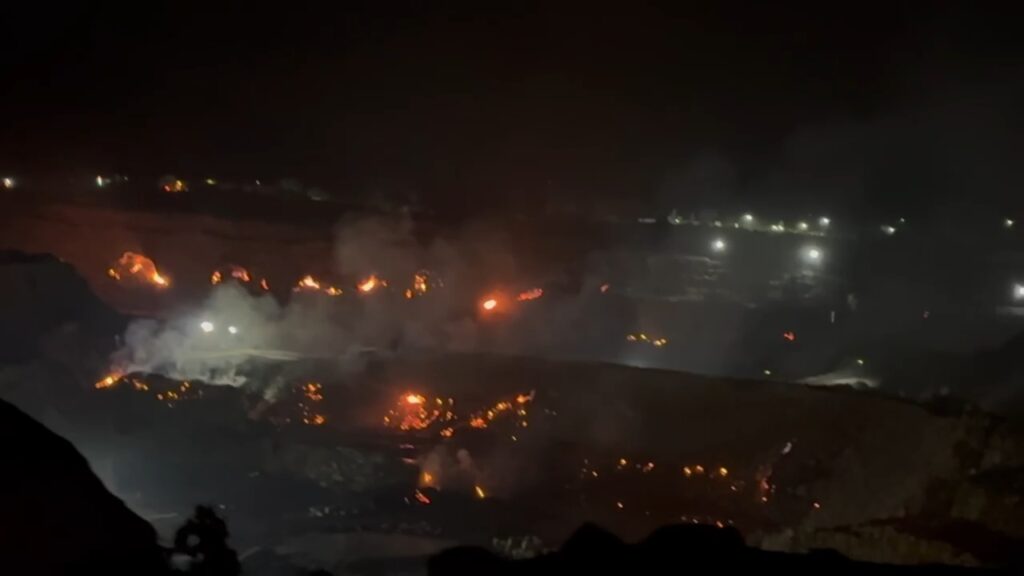
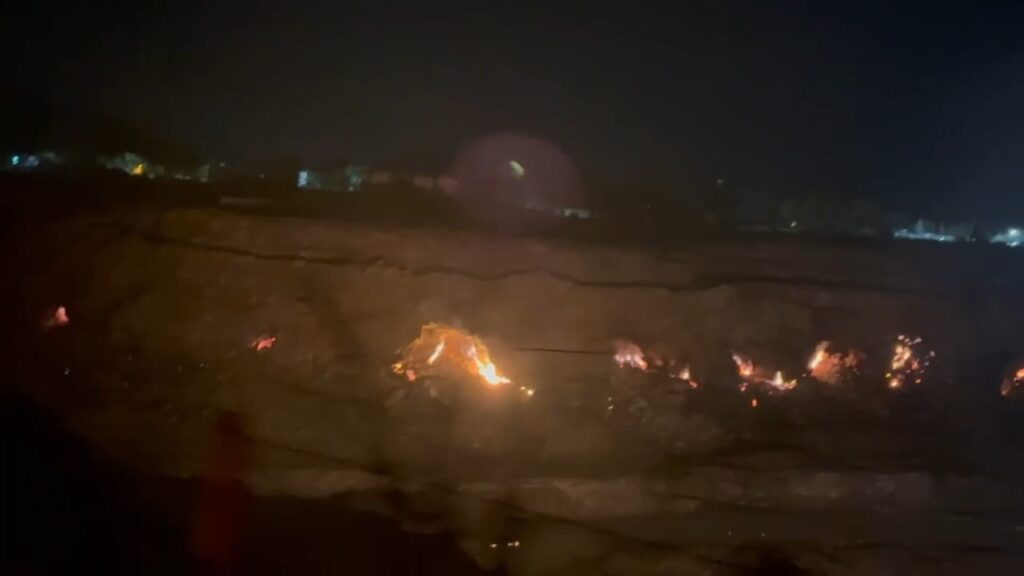
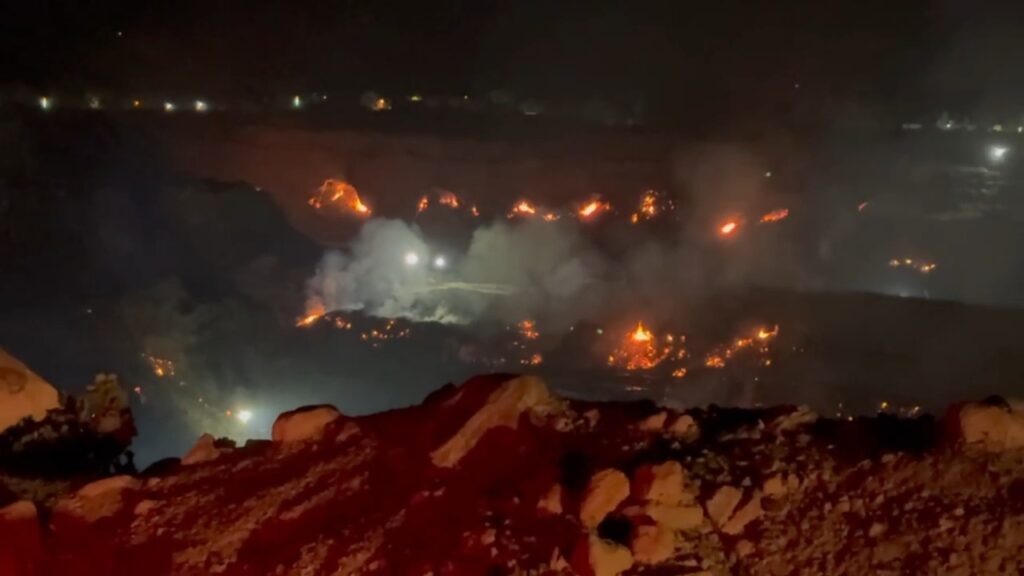
Long after the 2010 blast, Chirmiri’s underground mines continued to show signs of trouble. Between 2023 and 2024, residents living near old mine areas began reporting unusual occurrences: thin white smoke drifting out of the soil, patches of ground warmer than their surroundings, and a persistent burnt-coal smell hanging in the air. In some localities, people started complaining about breathing discomfort and irritation, especially during early mornings.
These symptoms matched the characteristics of underground coal seam fires, which don’t burn like open flames but smoulder quietly beneath the earth. Coal, when exposed to even a small amount of oxygen, heats up slowly. In sealed or partially sealed zones, the oxygen supply is limited, so the fire doesn’t flare—it burns slowly, generating heat and gases that stay trapped. This creates a self-sustaining cycle. Such fires can last not just years, but decades, making them one of the most persistent hazards in old mining regions like Chirmiri.


2 Responses