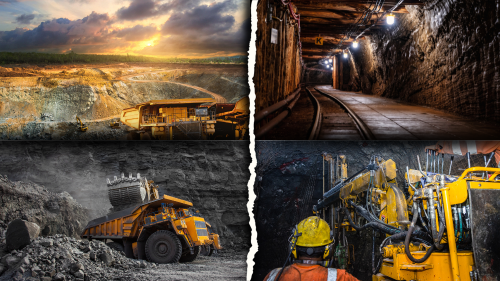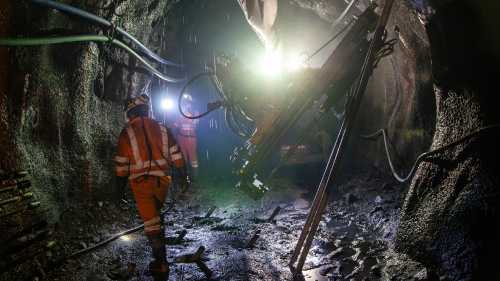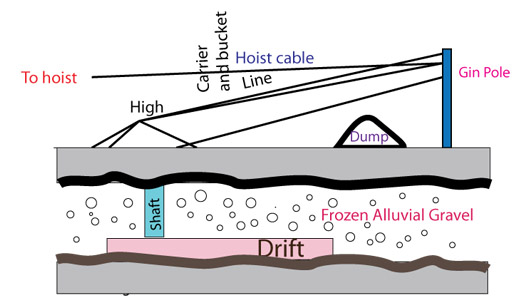
Shafts are essential when mineral deposits are located deep below the earth’s surface where surface mining is not feasible. They connect the surface to different underground levels and are widely used in coal, metal, and mineral mining operations.
Without shafts, deep underground mining would not be possible, making them the backbone of modern mining infrastructure.
What is a Shaft in Mining?
A shaft is a vertical or inclined excavation that connects the surface to underground mine workings. It is primarily used for access, ventilation, and transportation.
Shafts are usually circular or rectangular in shape and are lined with concrete, steel, or timber to ensure stability and safety.
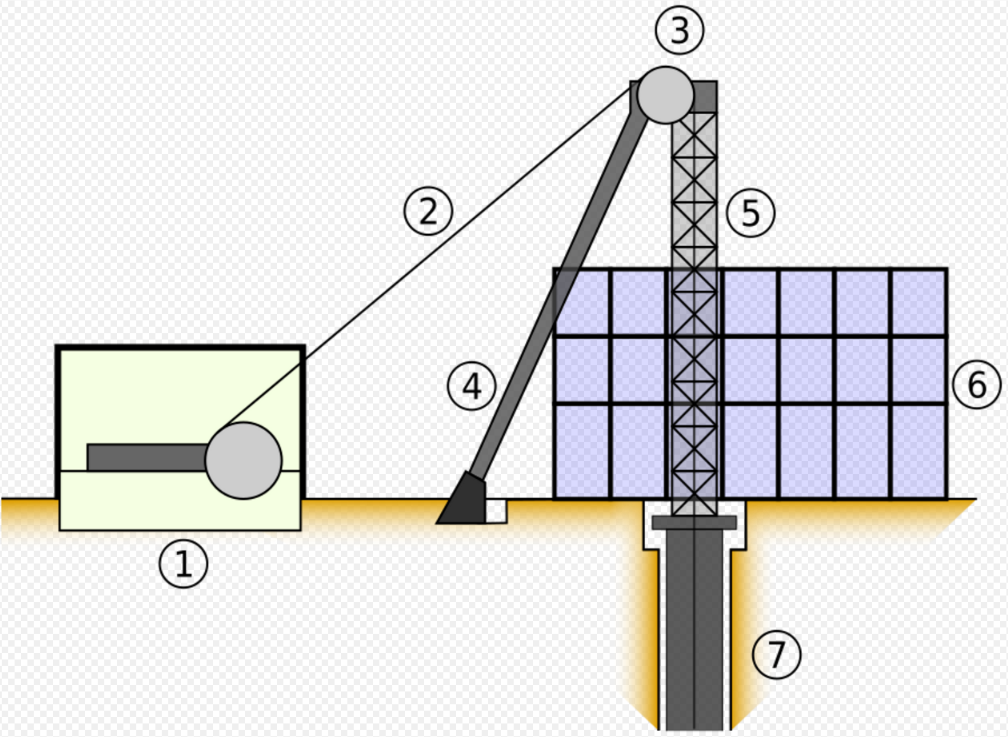
Purpose of Shafts in Mining
Shafts perform multiple critical functions in underground mining operations.
Access to Underground Levels
Shafts provide direct access from the surface to deep mining levels.
Transportation of Ore
Ore is transported to the surface using skips or cages through shafts.
Movement of Workers
Miners travel safely between the surface and underground via cages in shafts.
Ventilation System
Shafts help circulate fresh air and remove harmful gases from the mine.
Material Handling
Equipment, tools, and supplies are transported through shafts.
Types of Shafts in Mining
Shafts are classified based on their function and design.
Main Shaft
The main shaft is the primary vertical opening used for transportation and access.
Ventilation Shaft
Ventilation shafts are used to circulate fresh air and remove gases.
Service Shaft
Service shafts are used for transporting materials, equipment, and workers.
Inclined Shaft
An inclined shaft is not completely vertical and is developed at an angle.
| Type of Shaft | Function |
|---|---|
| Main Shaft | Primary access and transportation |
| Ventilation Shaft | Air circulation |
| Service Shaft | Material and worker movement |
| Inclined Shaft | Access at an angle |
Parts of a Mining Shaft
A mining shaft consists of several important components.
Headframe
The structure at the top of the shaft that supports lifting equipment.
Hoisting System
Used to lift ore, materials, and workers using cages or skips.
Shaft Lining
Concrete, steel, or timber lining that supports the shaft walls.
Compartments
Shafts are divided into compartments for cages, skips, ladders, and utilities.
Guides
Guides ensure smooth movement of cages and skips inside the shaft.
Shaft Sinking Process
The construction of a shaft is known as shaft sinking and involves several steps.
Site Selection
Engineers select the best location based on geological conditions.
Excavation
Drilling and blasting are used to dig deep into the earth.
Muck Removal
Broken rock is removed using buckets or conveyors.
Lining Installation
Walls are supported using concrete or steel lining.
Equipment Installation
Hoisting systems, guides, and ventilation systems are installed.
Equipment Used in Shaft Mining
| Equipment | Function |
|---|---|
| Hoist Machine | Lifts materials and workers |
| Skip | Transport ore |
| Cage | Carry workers |
| Drilling Equipment | Create blast holes |
| Explosives | Break rock |
Advantages of Shaft Mining
Shaft mining offers several benefits in deep underground operations.
- Allows access to deep mineral deposits
- Efficient transportation system
- Improves ventilation
- Supports large-scale mining operations
- Long-term mining solution
Disadvantages of Shaft Mining
- High initial cost
- Time-consuming construction
- Complex engineering requirements
- Risk of accidents
Safety Challenges in Shaft Mining
| Hazard | Description |
|---|---|
| Fall Risk | Workers may fall into shaft |
| Equipment Failure | Hoisting system breakdown |
| Gas Accumulation | Dangerous gases may collect |
| Water Inflow | Flooding risk |
Strict safety measures and regular inspections are required to minimize risks.
Modern Technology in Shaft Mining
Automation
Automated hoisting systems improve efficiency.
Digital Monitoring
Sensors track shaft conditions and safety parameters.
Advanced Materials
Modern lining materials improve strength and durability.
Electric Systems
Electric equipment reduces emissions and improves air quality.
Frequently Asked Questions
What is a shaft in mining?
What is shaft sinking?
Why are shafts important?
What is the difference between shaft and drift?
Conclusion
Shafts are the most critical structures in underground mining, providing access to deep mineral deposits and enabling efficient operations. From transportation to ventilation, shafts play a vital role in every aspect of mining.
Although they require significant investment and engineering expertise, shafts are essential for long-term mining success.
With advancements in technology, shaft mining continues to evolve, becoming safer, faster, and more efficient.