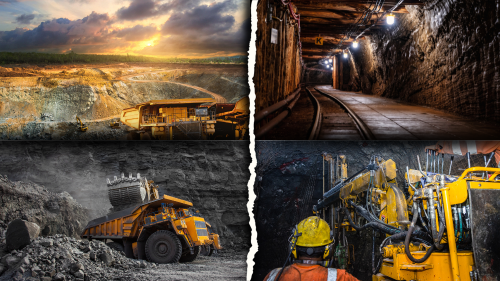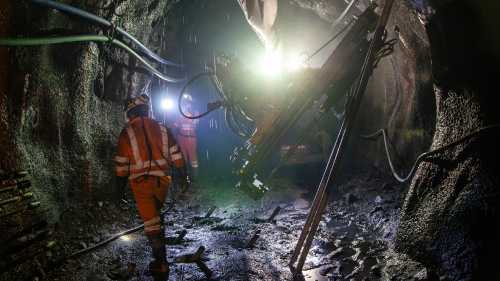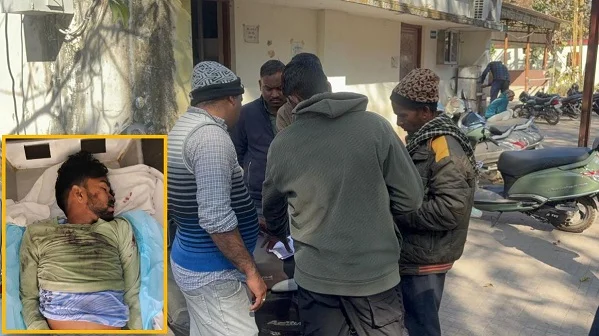
A major industrial accident was reported at the SECL Kusmunda Mine in Korba district, Chhattisgarh , on 16 January, raising serious concerns about contract mining safety practices in India. The incident occurred at a contractor-operated site within the Kusmunda open-cast mine, where a machine operator lost his life during routine maintenance work. Two other workers sustained serious injuries and are currently undergoing treatment at a private hospital.
The accident has once again highlighted the high-risk nature of maintenance activities in large open-cast mines, particularly when carried out by contractual workforce under time pressure and inadequate safety supervision.
What Happened at SECL Kusmunda Mine?
According to preliminary reports, the incident took place at a contract company named Neelkanth , which operates machinery at the SECL Kusmunda project. The accident occurred while workers were engaged in machine repair and maintenance work.
Eyewitnesses present at the site stated that a cylinder installed in the machine suddenly exploded, causing severe impact injuries to nearby workers. The explosion proved fatal for one operator , while two others were critically injured due to flying components and debris.
However, the police version differs slightly. As per initial police findings, a piston reportedly dislodged during the repair process and struck the operator in the chest, leading to instant death. Authorities have clarified that the exact cause of failure whether cylinder burst or piston ejection will be confirmed after technical investigation.
Victim Identification and Human Impact
The deceased worker has been identified as Sanjay Dewangan , who was employed as an operator with the Neelkanth contracting company. Sanjay was a resident of Balrampur district and had been working at the Kusmunda mine for approximately three years.
According to family members, Sanjay was the sole brother among four sisters, and the primary earning member of his household. His sudden death has left the family in deep distress, both emotionally and financially.
Colleagues described him as an experienced and disciplined worker, familiar with heavy machinery operations. The incident has cast a shadow of grief across the local mining community.
Allegations Against the Contracting Company
Following the accident, family members and co-workers raised serious allegations against the contractor. They claimed that Sanjay was asked to perform mechanical repair work on a holiday, despite being officially designated as an operator rather than a trained mechanic.
According to these allegations:
- Maintenance work was conducted under time pressure
- Adequate technical supervision was missing
- Safety protocols during hydraulic or pneumatic repairs were not strictly enforced
While these claims are yet to be legally established, they underline a systemic issue in contract mining operations, where role boundaries and safety responsibilities are often blurred.
Mining Safety Perspective: Why Maintenance Work Is High Risk
From a mining safety standpoint, machine repair and maintenance activities are among the most hazardous operations, especially in large open-cast mines like Kusmunda.
As per DGMS (Directorate General of Mines Safety) guidelines, maintenance involving cylinders, pistons, or hydraulic systems must strictly follow:
- Lock-out and tag-out procedures
- Pressure release and isolation protocols
- Use of certified maintenance personnel
- Mandatory supervision by competent engineers
- Proper personal protective equipment (PPE)
Any deviation from these procedures can result in catastrophic mechanical failure, as potentially seen in this case.
Contract Mining and Rising Accident Trends in India
The Kusmunda mine accident is not an isolated incident. Across India, accidents involving contractual workers in mines have shown an upward trend, particularly during:
- Equipment maintenance
- Shift change operations
- Emergency repairs
Contributing factors often include:
- Cost-driven outsourcing of maintenance
- Inadequate safety training
- Fatigue due to long working hours
- Limited enforcement of DGMS norms by contractors
Large mines like Kusmunda operate high-capacity equipment, where even a minor lapse in safety can prove fatal.
Police Action and Investigation Status
Local police authorities have confirmed that:
- A case has been registered
- Statements of witnesses are being recorded
- Technical examination of the machinery is underway
The police have stated that the final cause of death will be established only after mechanical and forensic assessment. Further action will depend on the findings of the investigation and statutory compliance review.
At the time of reporting, no official statement from SECL management or the contracting company had been released.
- Maintenance work must never be rushed
- Operators should not be assigned mechanical tasks without certification
- Contractors must be audited regularly for safety compliance
- DGMS safety guidelines should be enforced at ground level, not just on paper
- Safety culture must extend equally to permanent and contractual workers
Mining operations cannot prioritize productivity over human life and safety.
Mining Gyan consistently emphasizes the importance of mine safety education, DGMS regulations, and practical risk awareness. Through structured content on:
- Mining safety rules
- DGMS compliance
- Machine operation hazards
- Accident case studies
Aims to equip mining professionals, students, and workers with knowledge that can prevent such tragedies. Understanding safety principles is as essential as technical competence in the mining industry.
Conclusion
The tragic accident at SECL Kusmunda Mine serves as a stark reminder of the dangers inherent in mining operations, especially during machine maintenance under contractual setups. While investigations will determine accountability, the loss of a life underscores the urgent need for stricter safety enforcement, better training, and ethical work practices.
For India’s mining sector to progress sustainably, worker safety must remain non-negotiable. Incidents like these should drive systemic change before more lives are lost.